An inspiring discussion between young and experienced scientists took place at UzhNU to build a sustainable scientific community
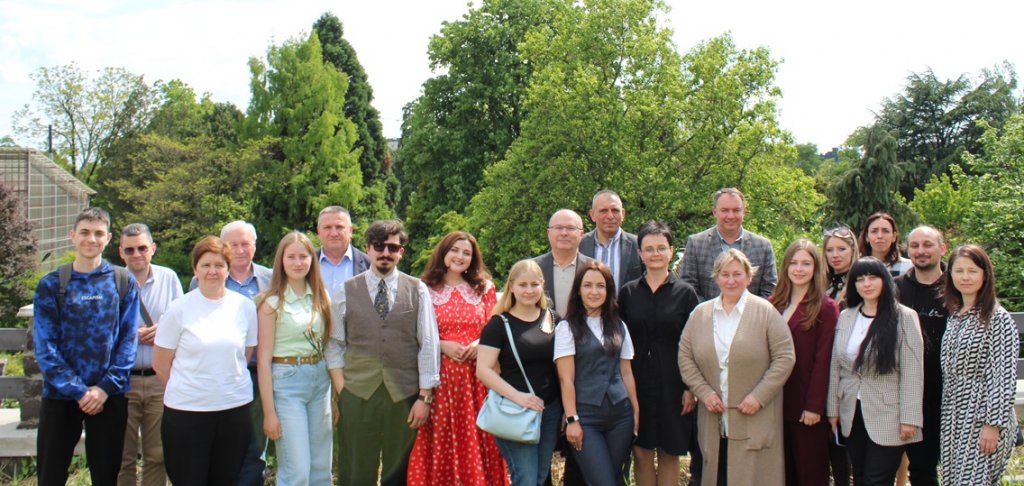
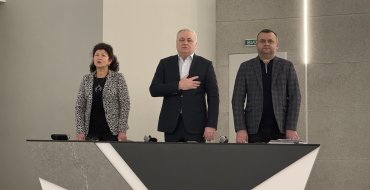
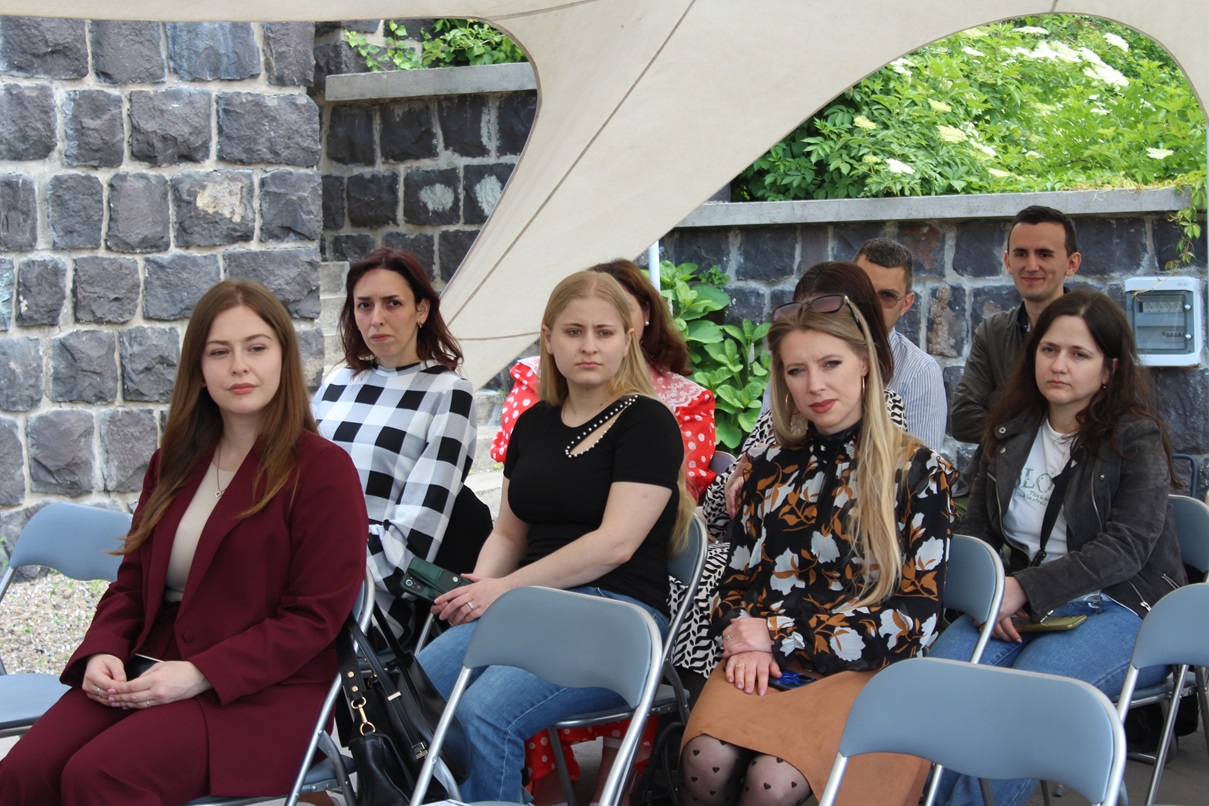
On Wednesday, 28 May, a discussion panel entitled ‘Challenges and Opportunities for Young Scientists in Wartime’ took place. The aim of the event was to discuss current challenges and opportunities for young scientists, as well as to exchange experiences in today's difficult conditions. The event is intended to become a platform for constructive dialogue, search for ways of cooperation and development of a sustainable scientific community. All interested students, postgraduates and young scientists were welcome to participate.
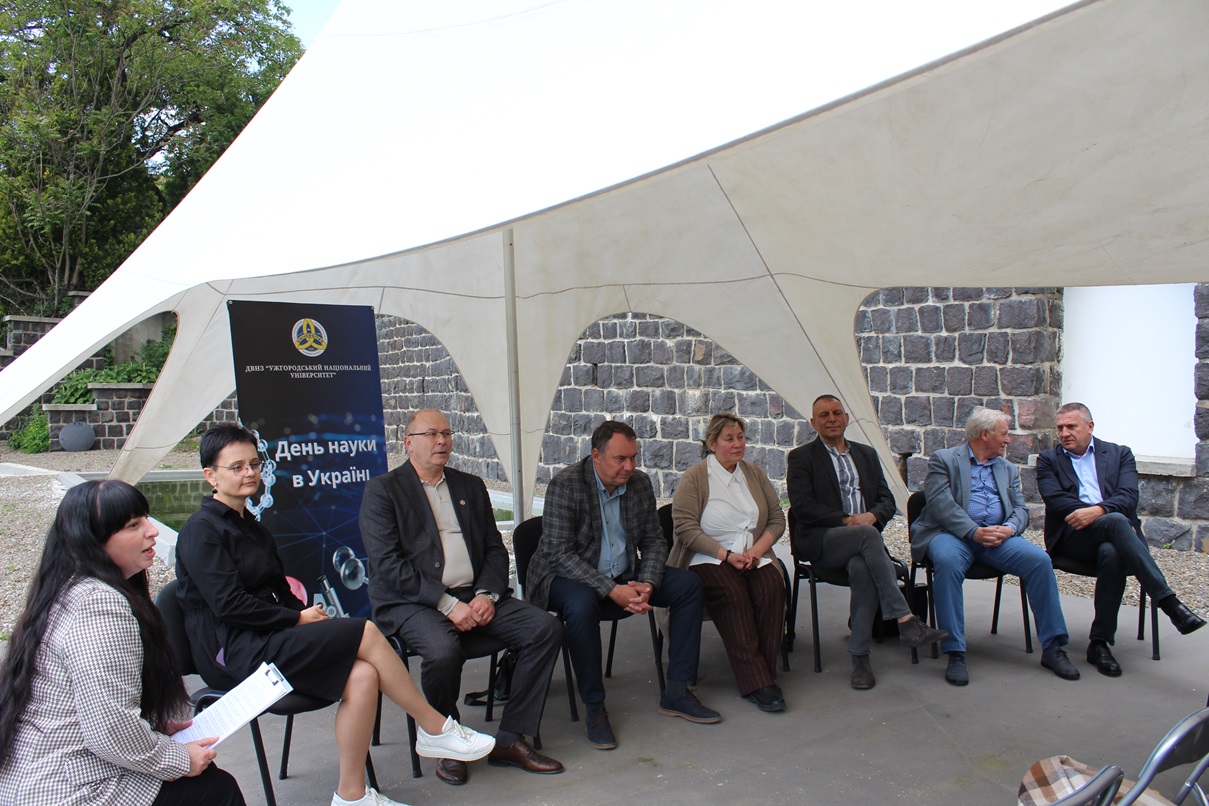
The invited speakers included: Vice-Rector for Scientific Work at UzhNU Ivan Myroniuk, Professor of the Department of Semiconductor Physics Oleksandr Hrabar, Head of the Department of Medical and Biological Disciplines Nadiia Boiko, Head of the Department of Administrative, Financial and Information Law Tetiana Karabin, Dean of the Faculty of Social Sciences Yuriy Ostapets, Dean of the Faculty of Philology Yuriy Bidzilia, and Director of the Ukrainian-Hungarian Educational and Scientific Institute Oleksandr Shpenik. The discussion panel was moderated by Kateryna Skubenych, Head of the Research Department.
The event was organised by the Research Department of UzhNU, the Council of Young Scientists, the Student Scientific Society and the Centre for Hungarology.
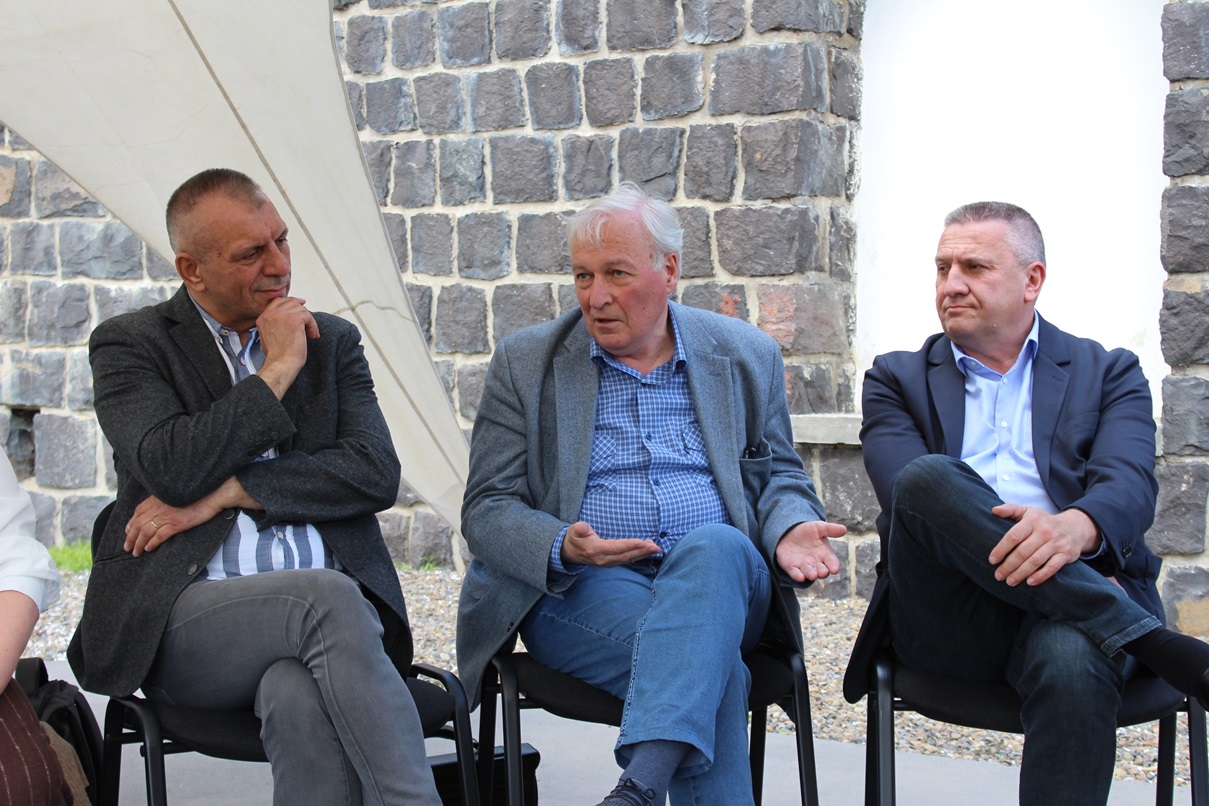
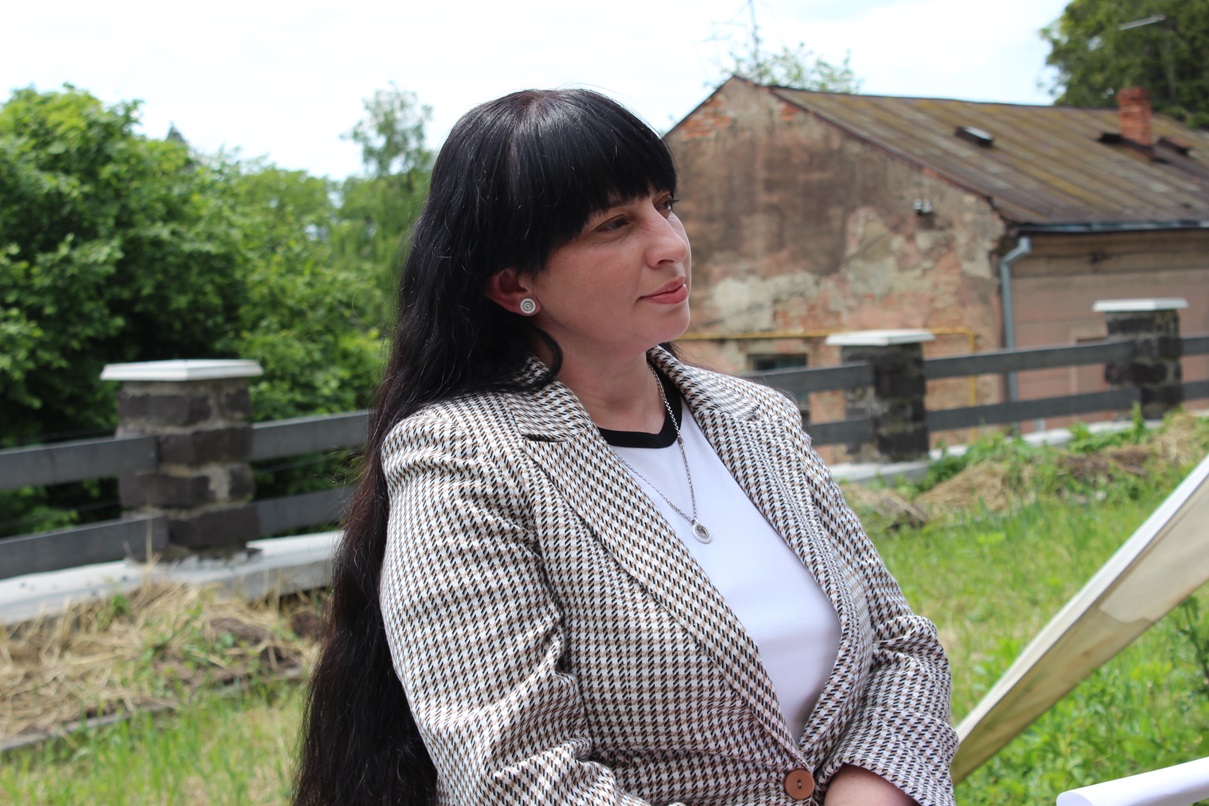
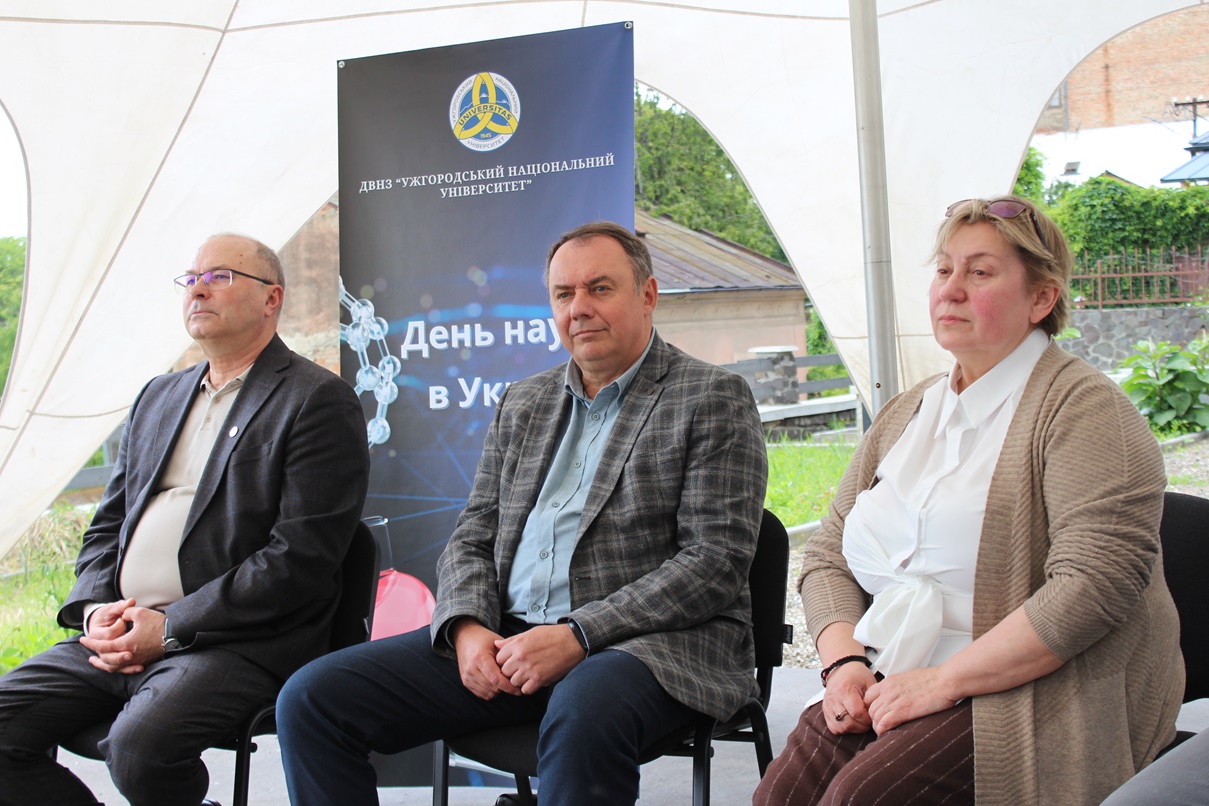
Responding to a question about the start of his scientific career, Vice-Rector Ivan Myroniuk noted: ‘Generations change, and their start in science also undergoes changes. When I took my first steps in science, the situation was completely different. At that time, there was no support from institutions or organisations; support could only be found in the person of one's scientific supervisor. The main thing, of course, is the desire to develop in the field of research. Today, in order to start a career, a certain level of training is necessary. Also, of course, the support of experienced scientists who can advise, guide, and tell you what is relevant now and what is more realistic to do in the current conditions.’
Young scientists at UzhNU prepared many questions for the invited guests. In particular, they concerned: what place young scientists will occupy after the division of employees into scientific-pedagogical and pedagogical, whether the university is considering introducing a policy to support young scientists, what is important for a young scientist: the number or quality of publications, the assessment of prospects for young scientists in Ukraine, whether the expectations of a career as a scientist in youth coincide with reality, how to interest young people in science, the vision of scientific cooperation between Ukraine and Hungary, catalysts for breakthrough scientific topics, and much more.
At the end of the event, young scientists had the opportunity to share their impressions of the discussion panel. Both speakers and listeners agreed that such events should become regular at UzhNU.