A journalist from the reputable journal “Science” visited UzhNU departments researching various fields of human health

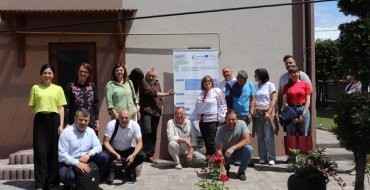
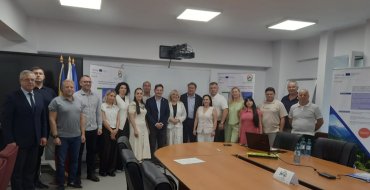
The medical, dental, and biological faculties and two clinics – this was the route taken by international journalist Richard Stone as he learned about UzhNU’s scientific achievements in the field of medicine.
‘Olha Polotska, Executive Director of the National Research Fund of Ukraine, recommended Richard to visit Uzhhorod,’ said the visit organiser, leading specialist at the Centre for Molecular Microbiology and Mucous Membranes, Head of the Department of Medical and Biological Disciplines, Professor Nadiya Boiko. "Uzhhorod has a well-developed scientific medical infrastructure. We have truly powerful specialists who conduct unique medical and biological research at the international level. Our scientific achievements are interdisciplinary, because everything works together: medicine, biology, IT, mathematics. Therefore, it is extremely valuable that we have been recommended as a powerful scientific centre.‘
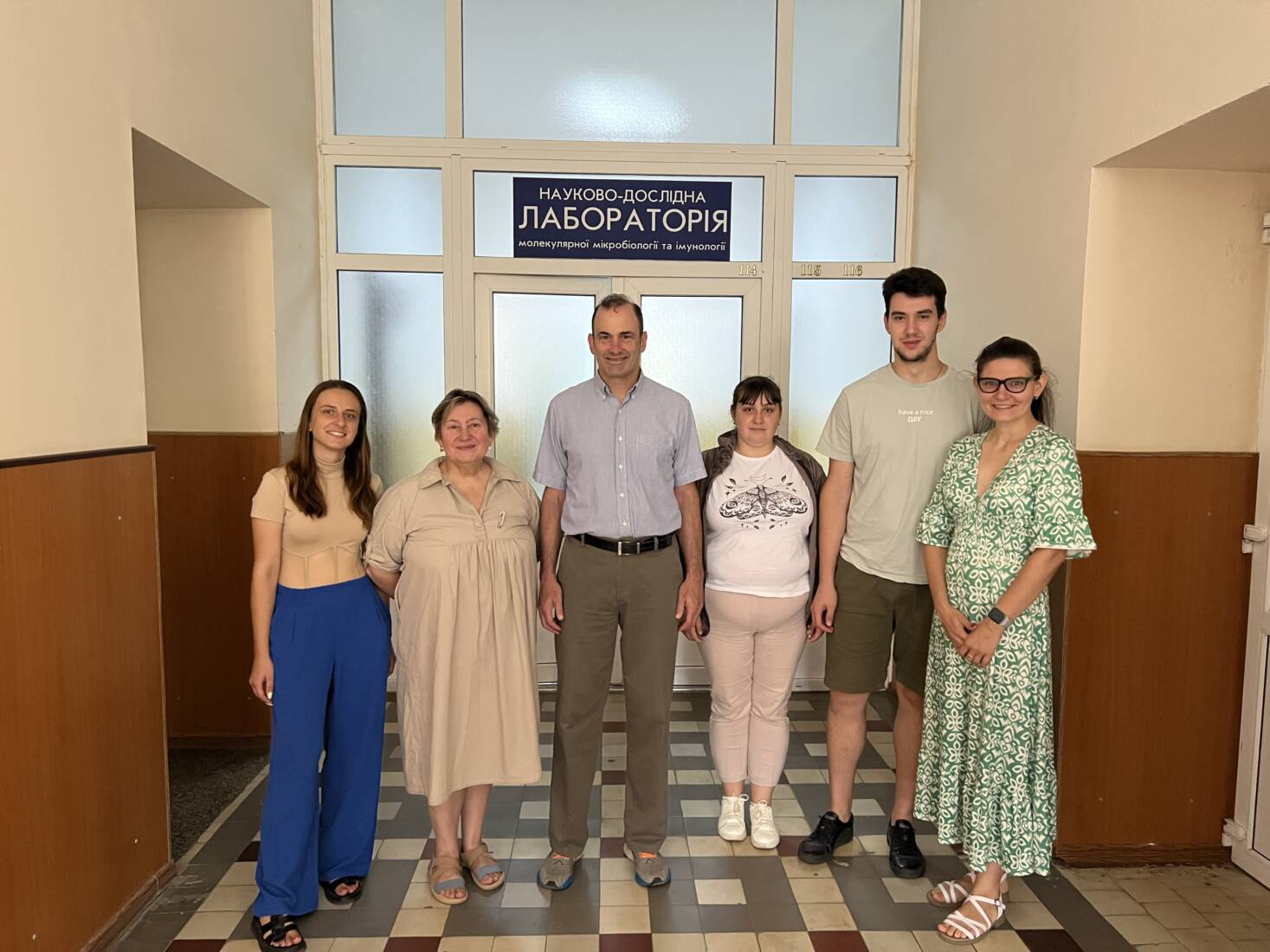
This is Richard Stone's fourth visit to Ukraine. He says: ’This is my first visit to Uzhhorod. I have been to other cities, including Lviv, but I have never been to Zakarpattia. I am interested to learn how science is developing in this region. The first place I visited at the university was the research laboratory of molecular microbiology and immunology. I was impressed that they are conducting research on the microbiome of military personnel to prevent or treat PTSD. This is interesting not only for Ukraine, but for the global community as a whole," says the guest.
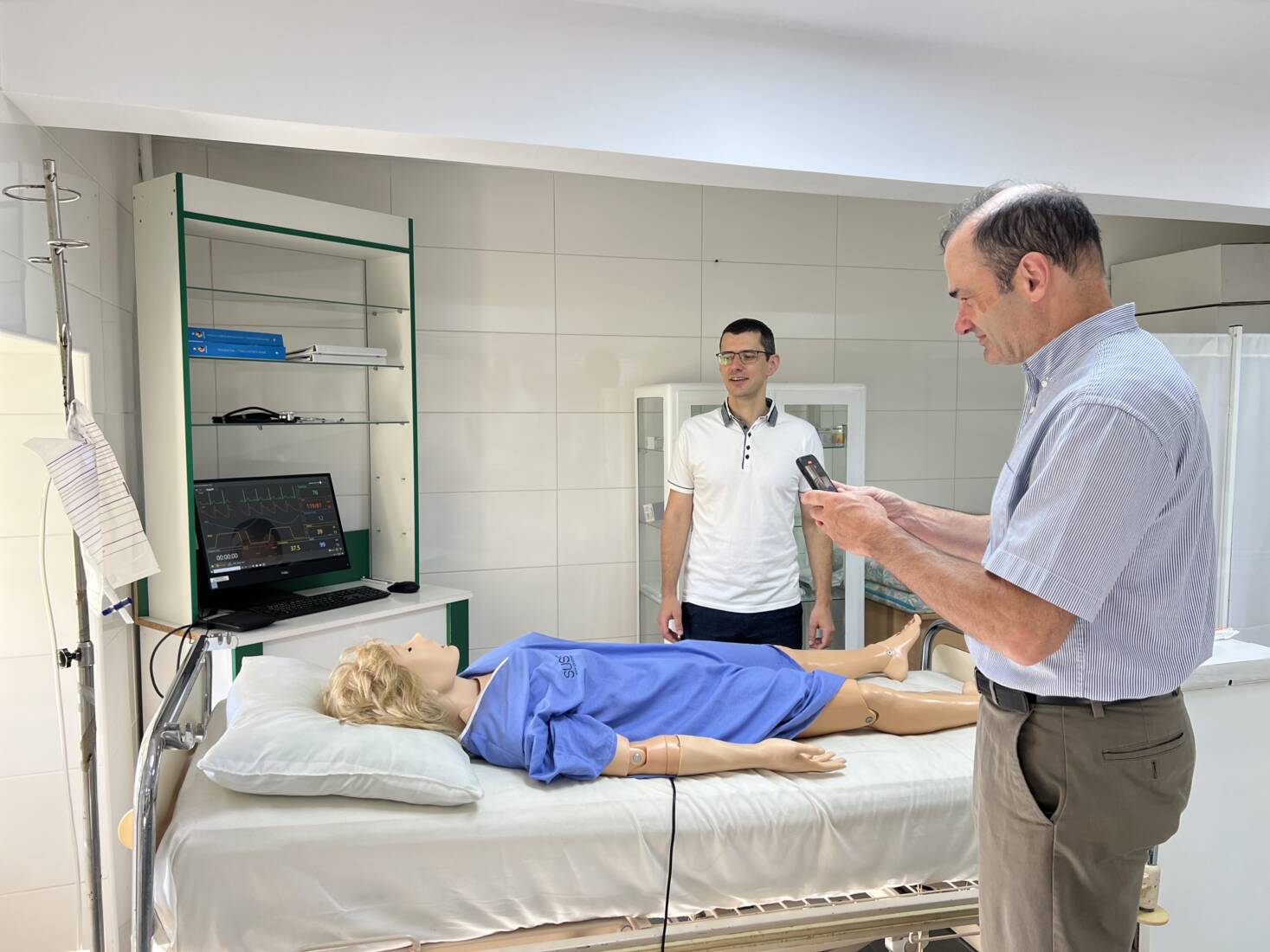
Then, Dean of the Faculty of Medicine Oleh Devinyak showed Richard simulation classes, where students practise delivering babies, suturing, performing cardiopulmonary resuscitation on mannequins, and also study the inner world of people with the help of an anatomical table.
At the Faculty of Dentistry, Dean Yevhen Kostenko and Head of the Department of Therapeutic Dentistry Myroslav Honcharuk-Khomyn spoke about modern practices in forensic dentistry and developments in identifying individuals using dental material, including with the help of artificial intelligence. This is extremely important in the context of military operations.
At the Faculty of Biology, Yaroslava Hasynets introduced the guests to one of the first long-read sequencers in Ukraine, a device that allows the sequencing of entire genomes within 24 hours. This has significantly expanded the scientific and practical capabilities of the department in the research of functional genomics, medical genetics and bioinformatics. She also spoke about research into allergens. Maryna Kryvtsova, head of the Department of Clinical, Laboratory and Morphofunctional Diagnostics, spoke about the development of antimicrobial technologies and new-generation biopreparations.
Richard then met with the rector of UzhNU, neurosurgeon Volodymyr Smolanka, who was just getting ready to go into the operating room. The journalist toured the scientific and practical base of UzhNU – the Regional Clinical Centre for Neurosurgery and Neurology, where the most complex interventions on the brain and spinal cord are performed, neurosurgical pathologies are studied, and new approaches to their treatment are introduced. None of this would be possible without modern, expensive equipment.
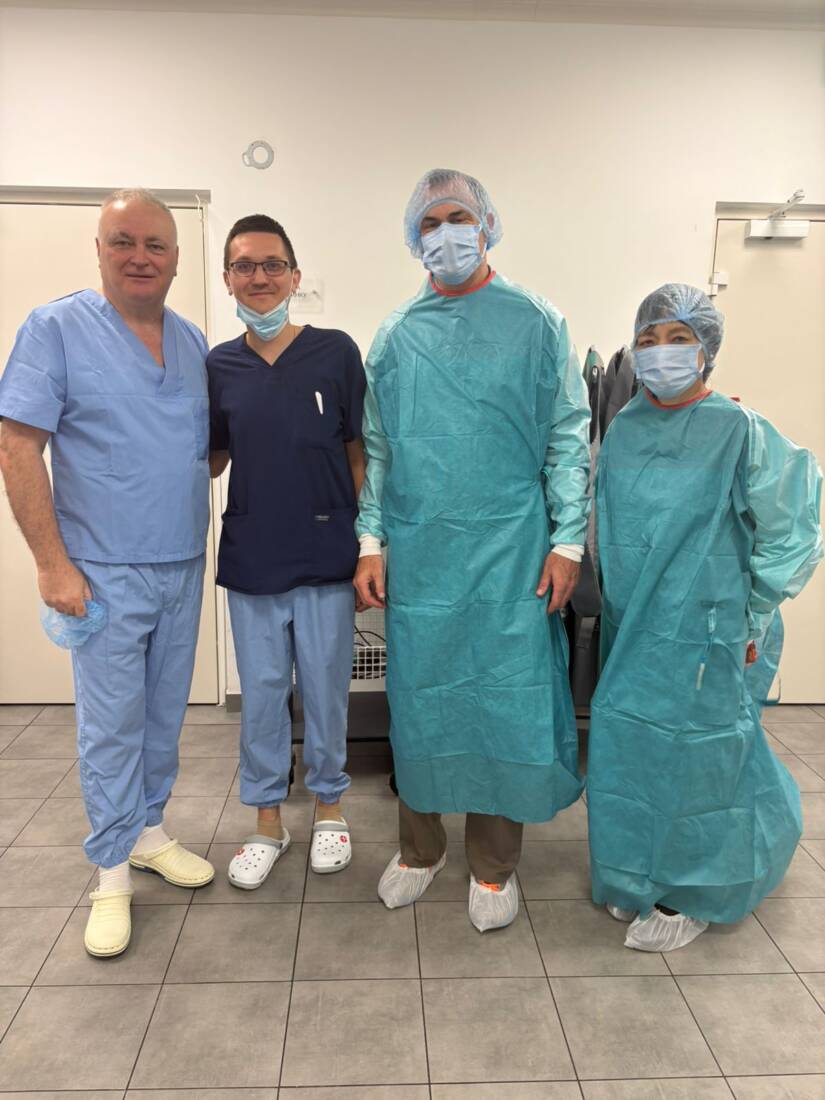
The last stop was EndoClinic, where the journalist met with scientists Olha Oleksyk, an endocrinologist, and Khrystyna Shchubelka, a geneticist. Here, the guest learned more about the achievements of our scientists in their fields of specialisation and saw the work of another highly specialised medical institution.