Introduction to Social Prescribing: International Experience for Community Development
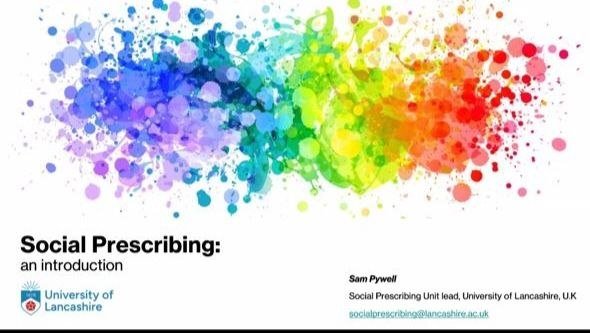
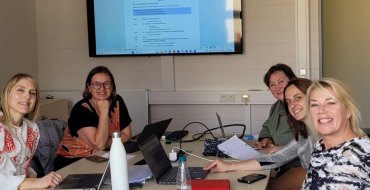
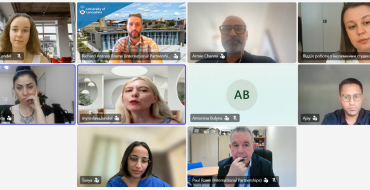
Recently, on the eve of the celebration of International Social Prescribing Day, Uzhhorod National University hosted an online session titled “Introduction to Social Prescribing,” led by Samantha Pywell, Head of the Social Prescribing Unit at the Center for Community Engagement and Collaboration, School of Health, Social Work, and Sports.
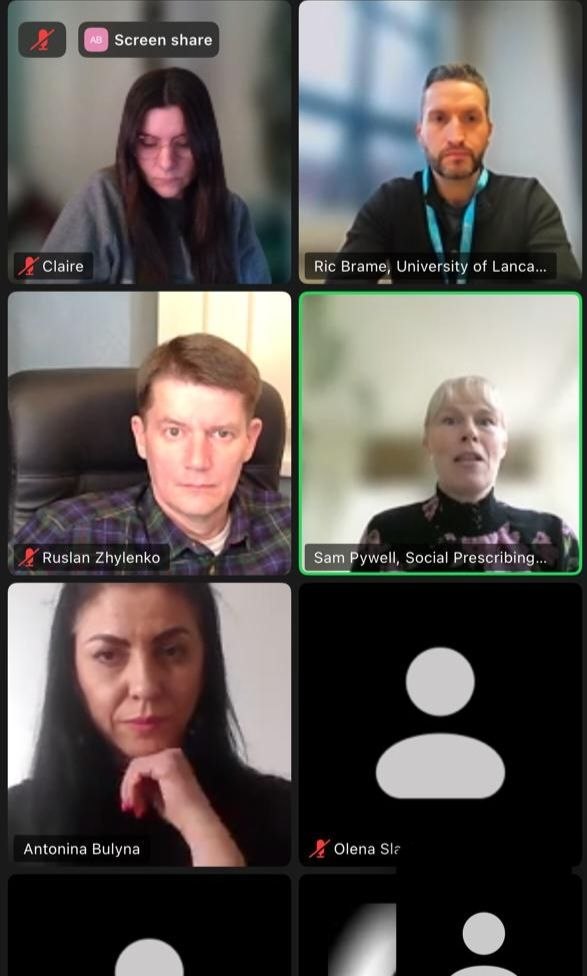
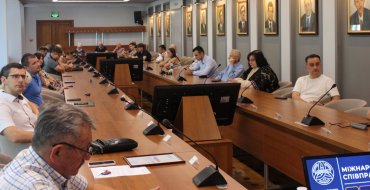
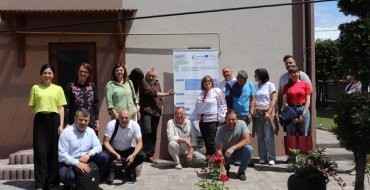
The event was attended by representatives of the academic community and practitioners interested in implementing innovative approaches to supporting public well-being.
Social Prescribing Day is observed on March 26. It is an annual international event that highlights the role of community connections in supporting health and well-being, going beyond purely medical treatment and focusing on social factors such as loneliness, financial difficulties, and housing conditions.
During the session, the concept of social prescribing was presented—an approach that involves non-medical intervention by connecting people with community resources. This involves personalized support, where, following an assessment of a person’s needs, they may be connected to:
- artistic and creative activities to improve mental health
- support groups (particularly for parents with children)
- outdoor activities to overcome social isolation
- sports or adventure programs to reduce stress
During the meeting, participants explored key aspects of social prescribing: definitions and conceptual approaches, contemporary interpretations and practical models, real-world examples of implementation—primarily in the UK—research findings in this field, and future prospects.
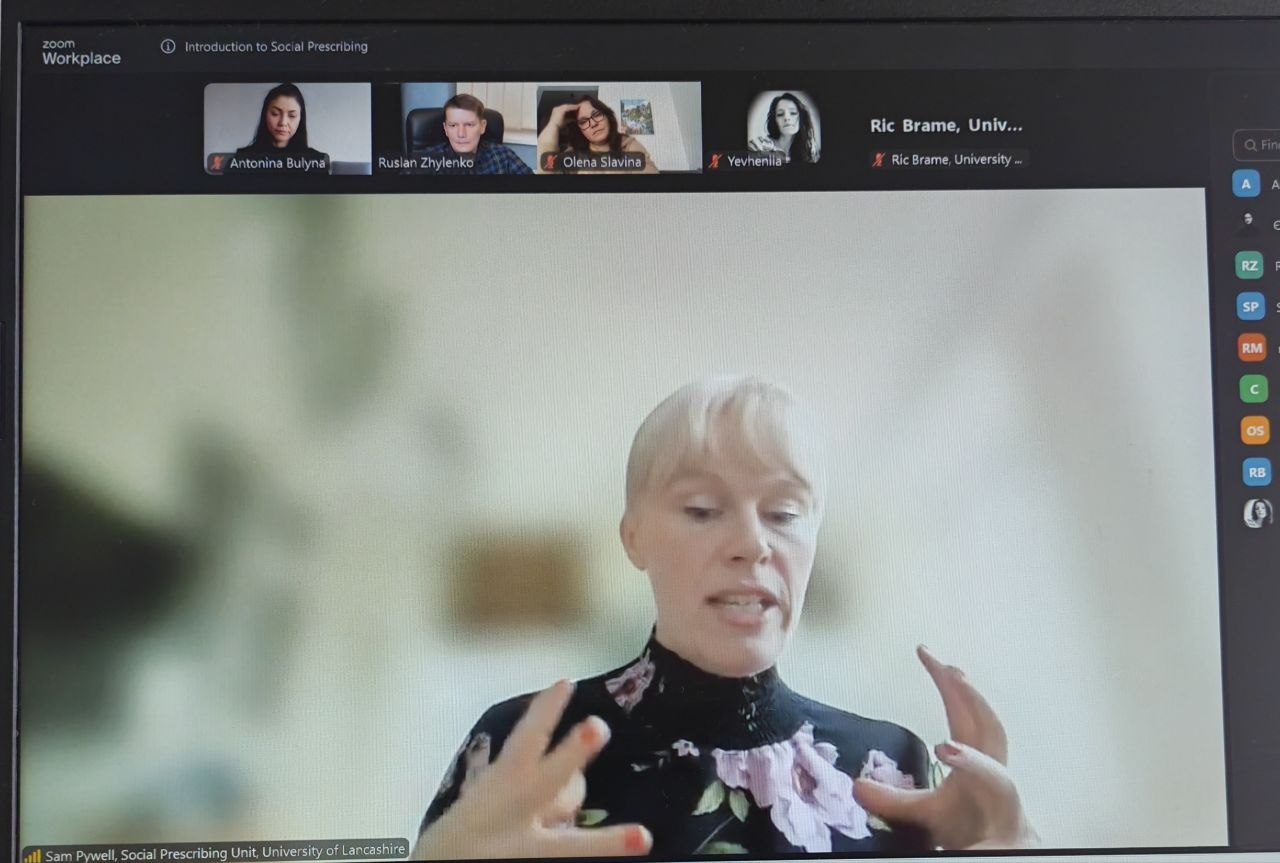
Particular attention was paid to how this approach contributes to strengthening communities, developing social connections, and improving overall well-being.
During the closing segment of the event, participants had the opportunity to ask questions and receive answers, as well as discuss ways to adapt social purpose to their own professional contexts.
It was both interesting and valuable to learn about international experiences in community development. Hosting such events is an important step toward integrating international expertise in the fields of healthcare and social work, and it also fosters the development of innovative, people- and community-centered practices.