UzhNU Hosts Presentation on Opportunities Under the Interreg NEXT Poland–Ukraine Program
.jpeg "UzhNU Hosts Presentation on Opportunities Under the Interreg NEXT Poland–Ukraine Program")
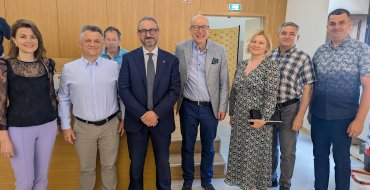
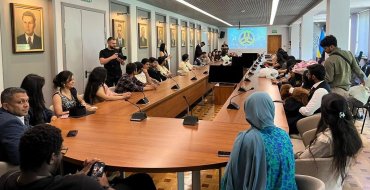
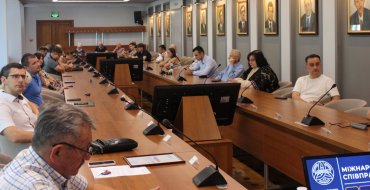
On Tuesday, May 5, Uzhhorod National University hosted a presentation on the opportunities offered by the Interreg NEXT Poland–Ukraine 2021–2027 cross-border cooperation program. The event brought together the medical community of Zakarpattia Oblast and focused on the prospects for participation in international health projects.
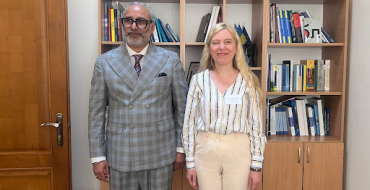
UzhNU was visited by Vasyl Khimyak, Head of the Joint Secretariat’s Representative Office in Lviv, who gave a detailed presentation on the program’s opportunities, priorities, and participation mechanisms.
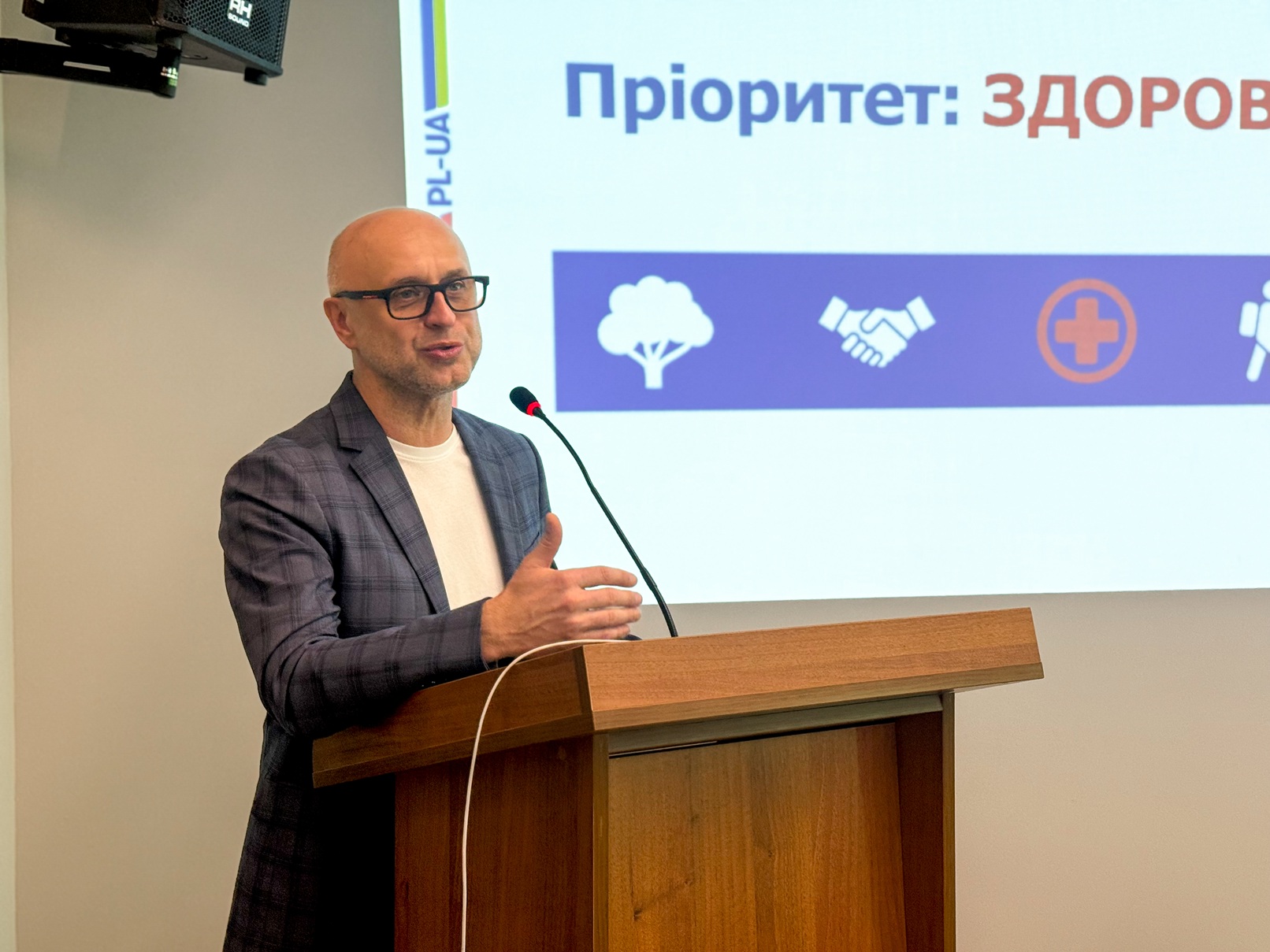
The Interreg NEXT Poland–Ukraine 2021–2027 program aims to support joint initiatives between the border regions of both countries. One of the key areas is “Health,” which focuses on improving access to medical services and enhancing the resilience of healthcare systems.
During the meeting, Vasyl Khimyak emphasized that such visits are mutually beneficial: “We came here to share information with you, as well as to hear from you about the results and how projects in the medical field are being implemented. This isn’t our first time at Uzhhorod University—it’s a friendly institution for us. Joint conferences have been held here, projects and academies have operated, we’ve interacted with students, and we’re always happy to be here.”
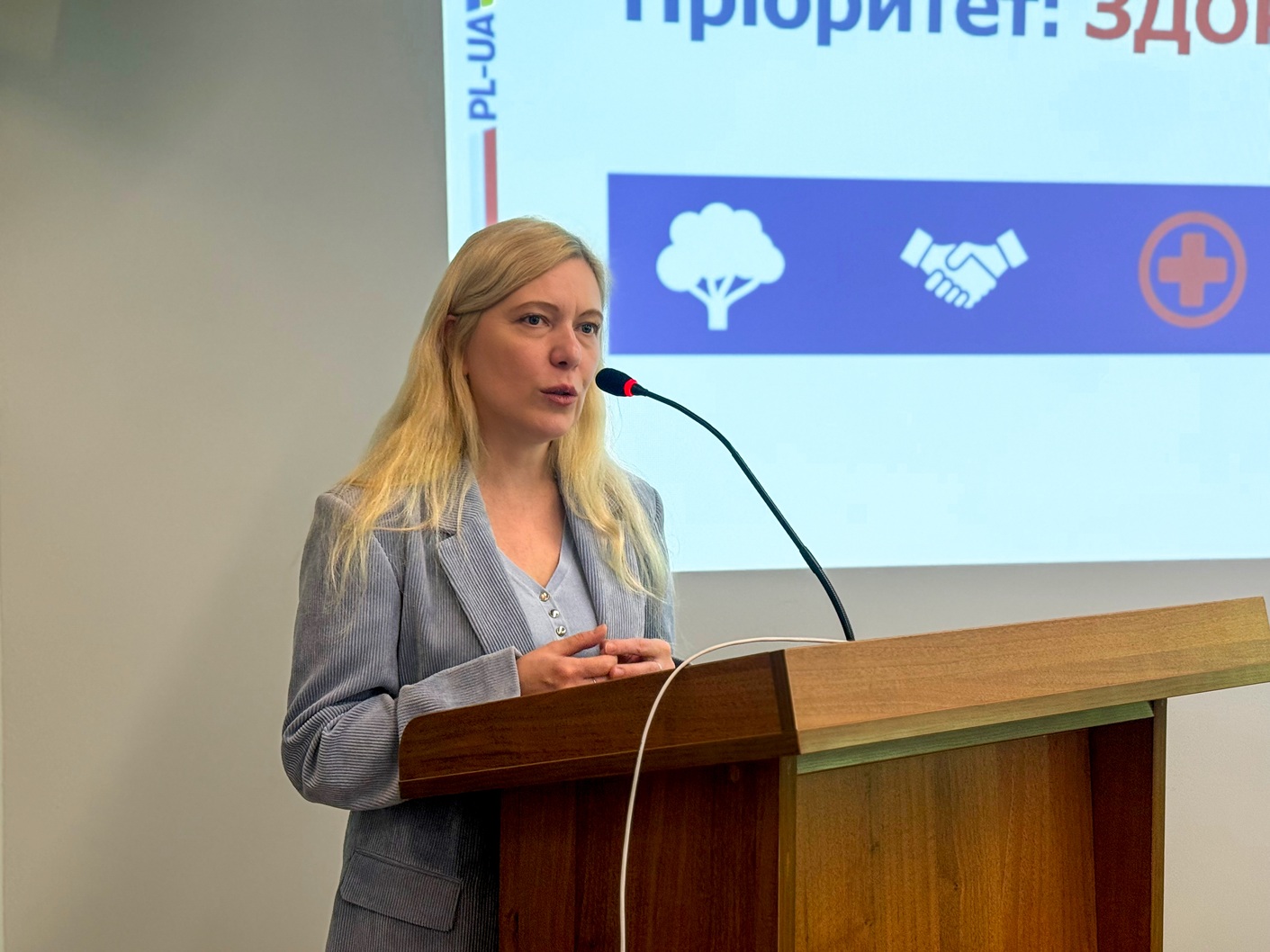
Vice Rector Myroslava Lendiel spoke about the university’s experience in implementing international initiatives. According to her, over the past 12 years, UzhNU has implemented or is currently implementing about 20 cross-border projects within the Interreg NEXT programs.
“These are various European initiatives, and we are pleased that we are currently implementing two projects within the framework of existing programs for the first time. They concern ecology—specifically, soil management and the development of the botanical garden’s infrastructure. At the same time, it is important that our medical faculty brings together faculty members and practicing physicians, so we operate as a unified system,” she noted.
Myroslava Lendiel also urged participants to become more actively involved in international initiatives, as such projects are aimed at addressing pressing regional issues and community development.
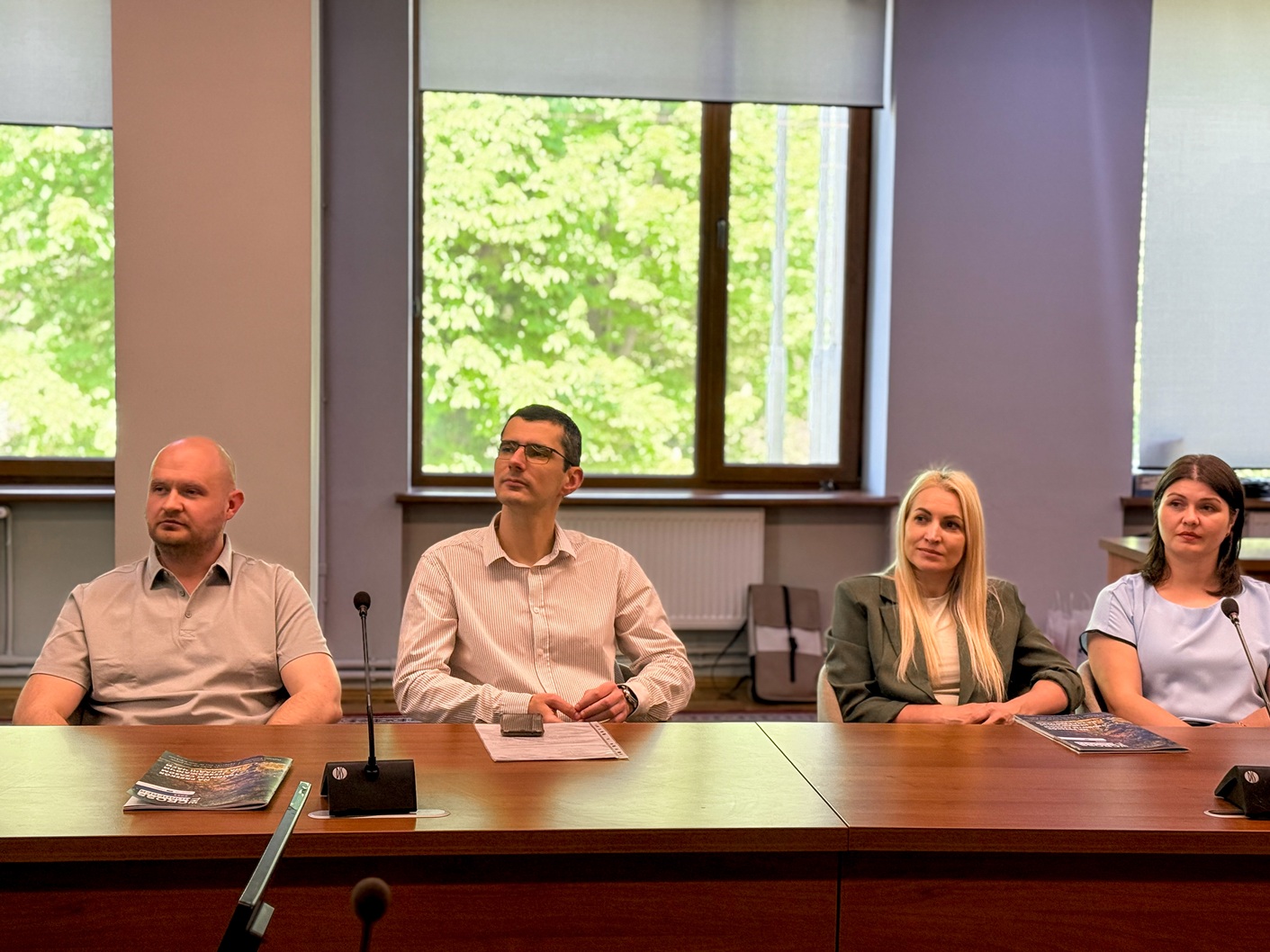
Halyna Loboda, Head of the Department of Euroregional Cooperation at the Zakarpattia Regional State Administration, spoke about the practical aspects of European integration in the medical field. “It often seems that European integration is all about politics and documents. In reality, it’s about very concrete things: where you will work, how hospitals will be funded, and where to get funds for equipment or repairs. It is precisely international cooperation programs that make it possible to implement such projects, purchase equipment, and train staff,” she emphasized.
According to her, in the European Union’s new budget period, healthcare remains one of the key priorities, and the principle of sustainability takes on particular significance, especially for Ukraine amid the war
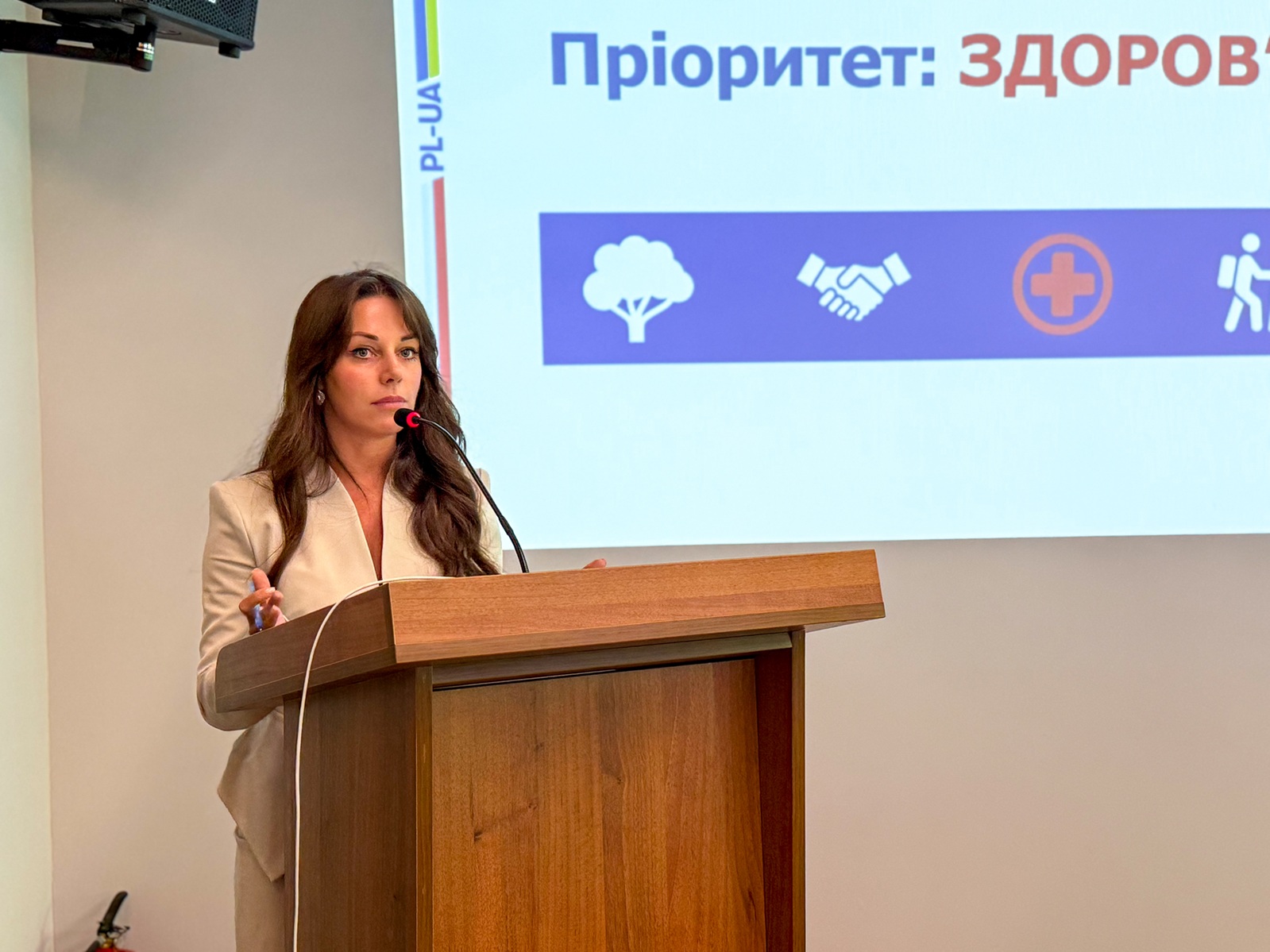
During the presentation, Vasyl Khimyak also outlined the history and scope of the program.
It has been operating for over 20 years and covers the border regions of Poland and Ukraine. It previously operated as “Poland–Belarus–Ukraine,” but is now focused on the partnership between Poland and Ukraine.
Transcarpathia plays a special role in the program’s development. “It is very symbolic that we are back in Uzhhorod today. In fact, the program began right here in 2006. Zakarpattia opened up to the program, and Poland—to this region,” he noted.
In the new programming period, funding for medical projects has increased significantly—their budget has nearly doubled. Key areas include: primary healthcare, rehabilitation (physical and mental), neurology, cardiology, oncology, palliative care, as well as the development of the healthcare system in the context of decentralization.
Geographically, the program covers six regions in western Ukraine and the border regions of Poland—the Podkarpackie, Lubelskie, and Podlaskie Voivodeships, as well as part of the Mazowieckie Voivodeship. Zakarpattia already has a successful track record of implementing such initiatives. In particular, medical projects of the A. Novak Zakarpattia Regional Clinical Hospital were implemented in Uzhhorod, and one of the most significant infrastructure achievements was the opening of a modern medical center in Nyzhnya Apsha in 2024.
The event at UzhNU served as a platform for discussing new opportunities for cooperation, exchanging experiences, and seeking partnerships that will contribute to the development of the region’s medical sector and the implementation of modern approaches to healthcare.