Chemistry and ecology: specialties that shape the future today
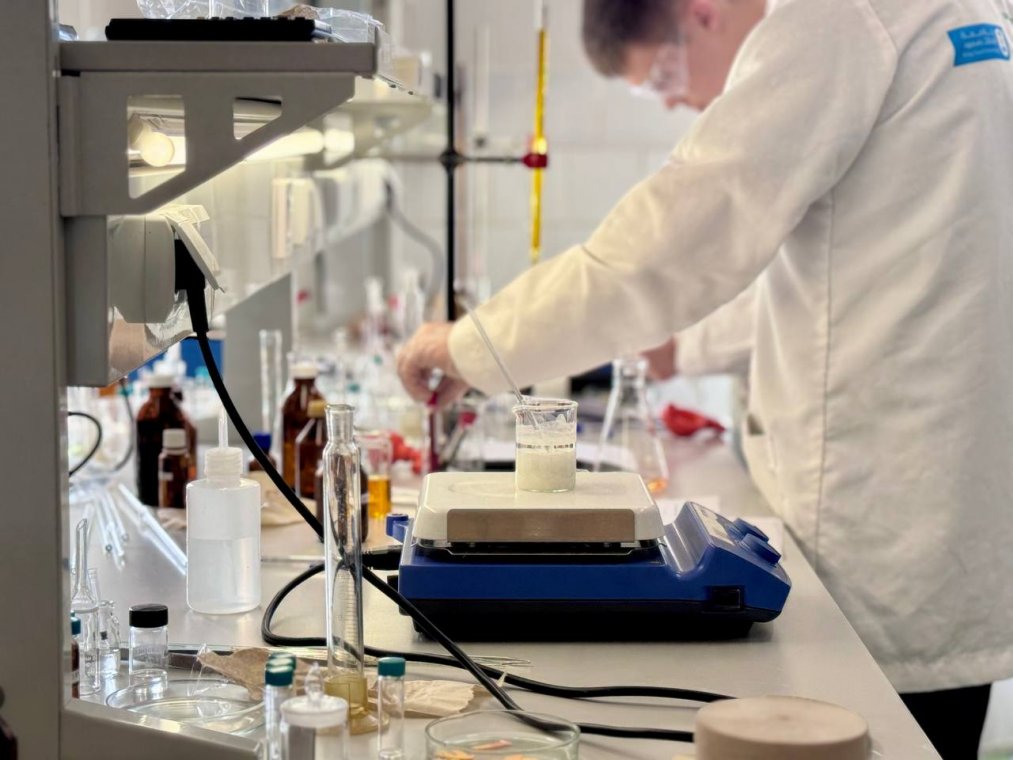
The history of the Faculty of Chemistry at UzhNU dates back to 1946. For decades, it has been a centre for training qualified specialists and developing chemical science in Transcarpathia.A new stage in its existence began in February 2022, when the Chemistry Department was reorganised into the Educational and Scientific Institute of Chemistry and Ecology.The main driver of change was the creation of a powerful research laboratory that brought all scientific disciplines under one roof. This made it possible to concentrate financial resources: instead of scattered budgets for individual topics, there is now a single sum that has allowed the purchase of modern equipment and a significant upgrade of the laboratory facilities.
The educational process at the institute is provided by five specialised departments: inorganic, analytical, organic, physical and colloid chemistry, as well as ecology and environmental protection. Another division is the problem-oriented research laboratory of chemistry and ecology.

What does the Institute of Chemistry offer to those who choose science as a profession? We discuss this with its director, Doctor of Chemistry, Professor Vasyl Lendiel.
— What specialisations are available at your faculty?
— Among the specialisations that can be chosen at the bachelor's and master's levels are:
- Secondary education. Chemistry ;
- Chemistry ;
- Ecology and environmental protection.
In addition, it is possible to obtain a PhD.
— Why are the above specialisations relevant in 2025?
— The demand for chemists and ecologists fluctuates like a sine wave. History knows years of crazy popularity, such as 1968, when 75 medalists entered the department, and periods of decline when interest waned. But despite the fluctuations, chemistry and ecology remain key specialities for the modern world. And our institute is the only one in Transcarpathia that trains specialists of this level.
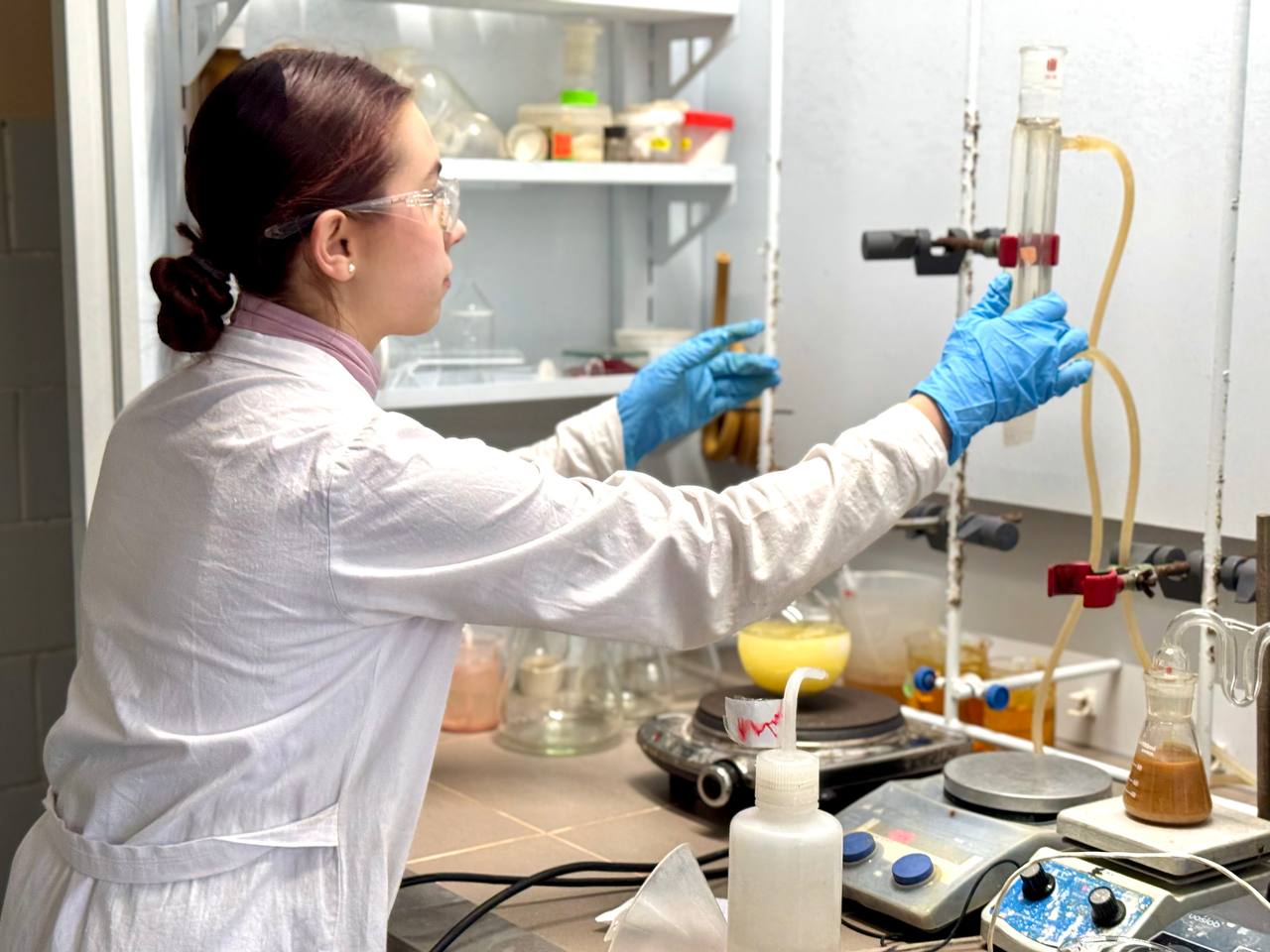
— Please tell us about the new features of this year's admission campaign at your faculty.
— This year, for the first time, we implemented such an active promotional programme, including:
- Teachers personally conducted chemistry lessons in schools in various districts (for example, in Svalyava and Mizhhiria), demonstrated experiments, and interested schoolchildren in ‘living’ chemistry;
- An open day was held and we participated in events on the theatre square, where the stands of the chemistry faculty attracted the most interest among visitors;
- The faculty works closely with the university administration as part of a university-wide programme to promote specialities.
These steps are aimed at reviving interest in the natural sciences and showing the prospects that studying with us opens up.
In addition, we held a major event — the Republican Chemistry Olympiad, which brought 143 pupils from all over Ukraine and 28 jury members to Uzhhorod. This once again emphasises the status of the Institute of Chemistry as a strong scientific and educational centre.

— What employment opportunities are available to graduates?
Our specialists are successfully working in large manufacturing companies, such as Jabil and other enterprises with foreign investment. Students are regularly invited on excursions, during which they learn about production processes and gain additional motivation for future employment.
Bachelor's degree graduates can work as laboratory assistants, technical specialists, engineers, and also teach chemistry in general education institutions.
Master's degree graduates, in turn, can teach in schools, colleges and higher education institutions, as well as hold engineering positions in industrial enterprises.