UzhNU held a master class on writing applications for the Young Scientists Competition organised by the Ministry of Education and Science
Every year, hundreds of young Ukrainian scientists compete for state funding for their scientific ideas as part of the Young Scientists Competition organised by the Ministry of Education and Science of Ukraine. Projects for fundamental research, applied development and scientific and technical experiments in higher education institutions and scientific institutions throughout the country can be submitted for selection.
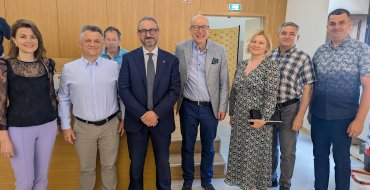
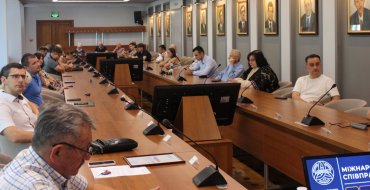
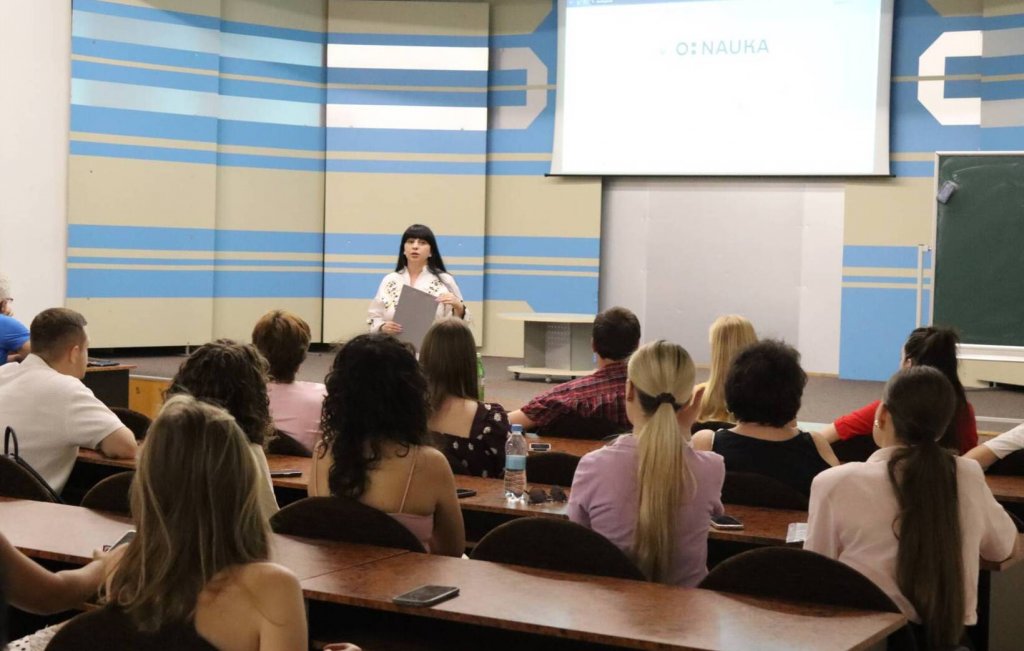
To increase the chances of potential contestants from UzhNU, the university's research department decided to organise a master class on writing project papers for young scientists, entitled ‘From idea to implementation!’ The event was moderated by Kateryna Skubenych, head of the research department at UzhNU. The speakers included scientists who are both managers and implementers, and even experts on the Ministry of Education and Science's councils for the evaluation of youth projects.
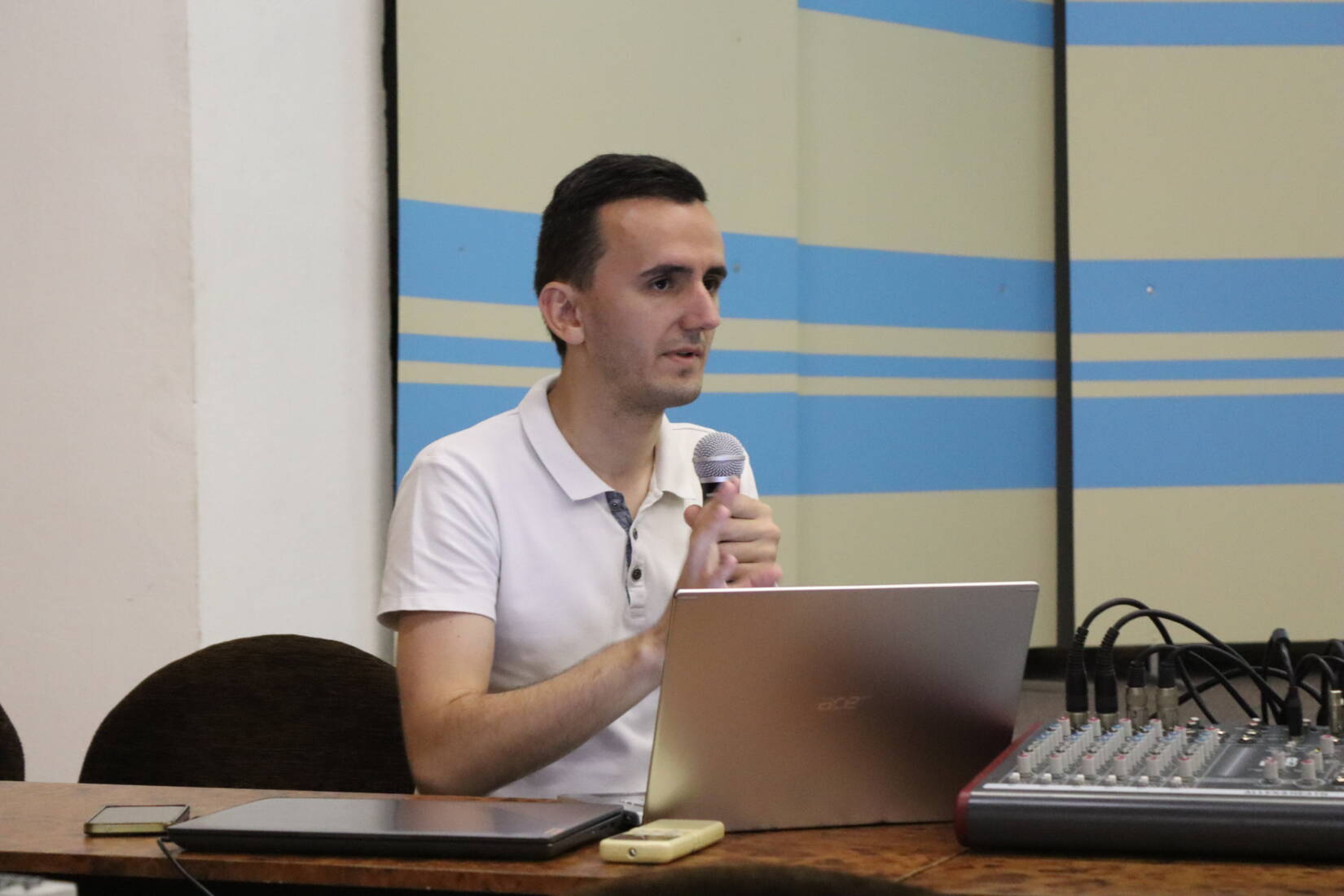
Vadym Pishta, associate professor of the Department of Administrative, Financial and Information Law, who is implementing two youth projects, spoke in detail about writing and submitting applications on the MES website. He drew particular attention to the interdisciplinary nature of the topic: "It would be great if you could submit a project that covers not just one area, but combines several. As our example shows, representatives of technical sciences feel very comfortable working in a team with lawyers. Perhaps today you will think about which fields you can recruit participants from to strengthen your application."
Among other things, Mr. Vadym talked about the basic rules of the competition. Each project is evaluated by five experts, with the highest and lowest scores being disregarded — the final score is calculated as the arithmetic mean of the three remaining scores. The project manager can be a candidate of science under 35 years of age or a doctor of science under 41 years of age. Every year, the Ministry of Education and Science determines the priority topics for projects that receive more support, but projects in other areas also have a chance of being approved.
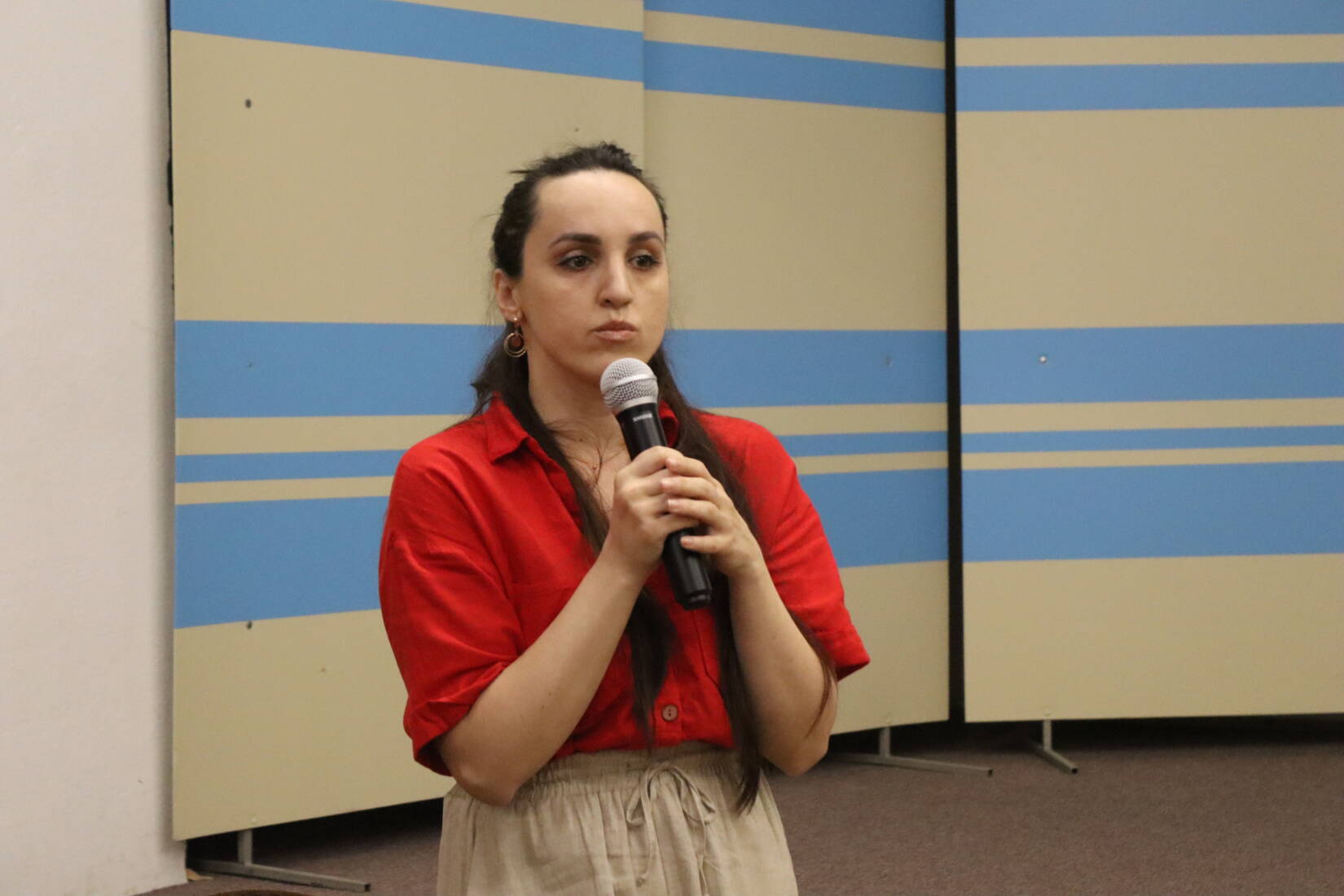
Natalia Korol, associate professor at the Department of Organic Chemistry, spoke about her experience as a project manager and implementer. ‘Don't be afraid to apply. Currently, my projects are approved on the first or second attempt. Five years ago, the first project I submitted as a manager scored 68 points — it was a complete disaster. But you have to keep submitting them because that's how you gain experience,’ the scientist shared. Ms. Natalia also emphasised the importance of choosing a topic: it should be narrow, trendy, and important for the country's economy and society. Although the points awarded for an application cannot be appealed, the project can be revised and submitted for next year's competition.
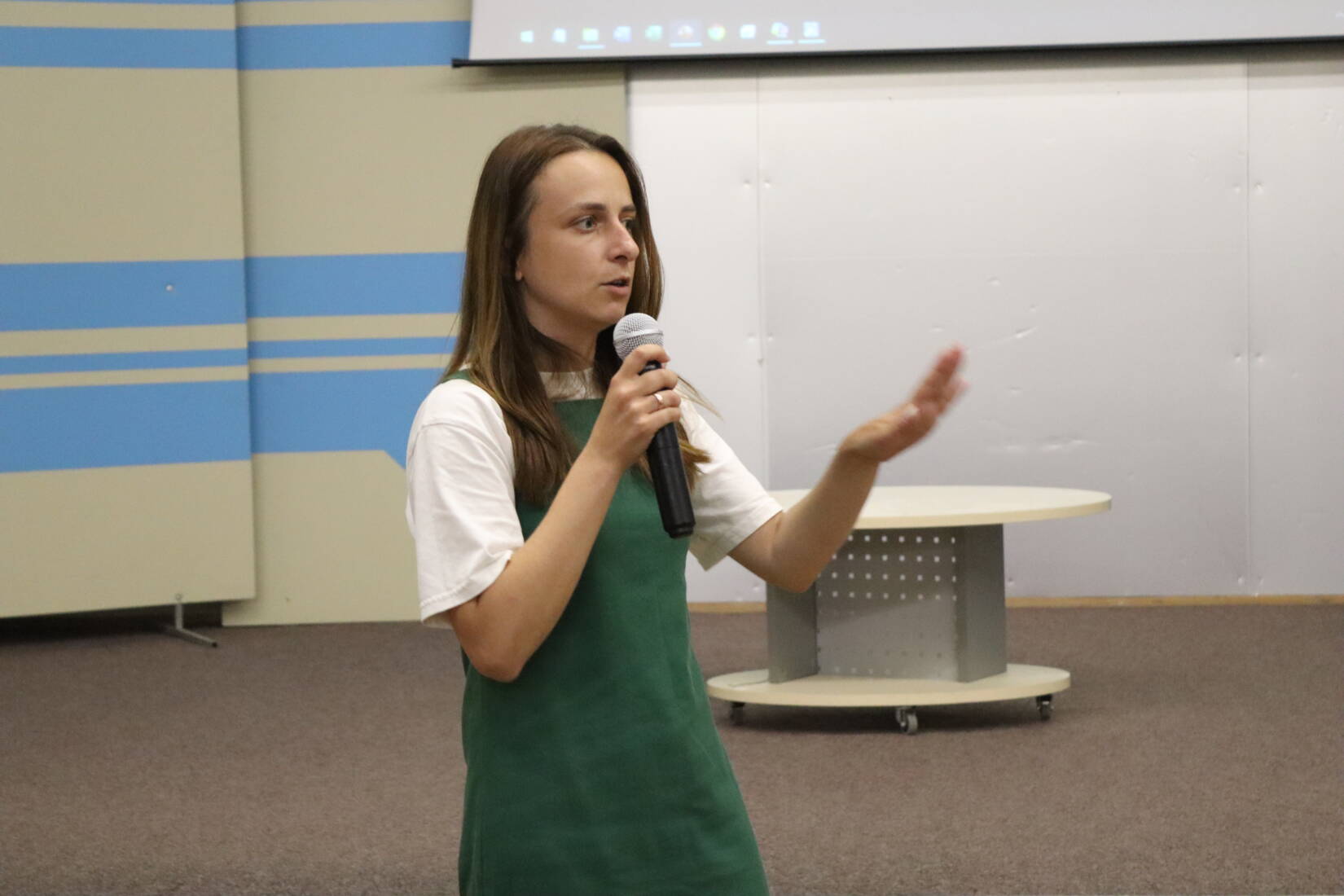
Oleksandra Pallah, associate professor at the Department of Medical and Biological Disciplines, who has experience not only with state budget topics but also with grants and international projects, shared the principles of creating an effective research team. According to her, the key roles are played by the leader who manages the team and the person responsible for monitoring the work. The team should consist of responsible people who are comfortable working together.
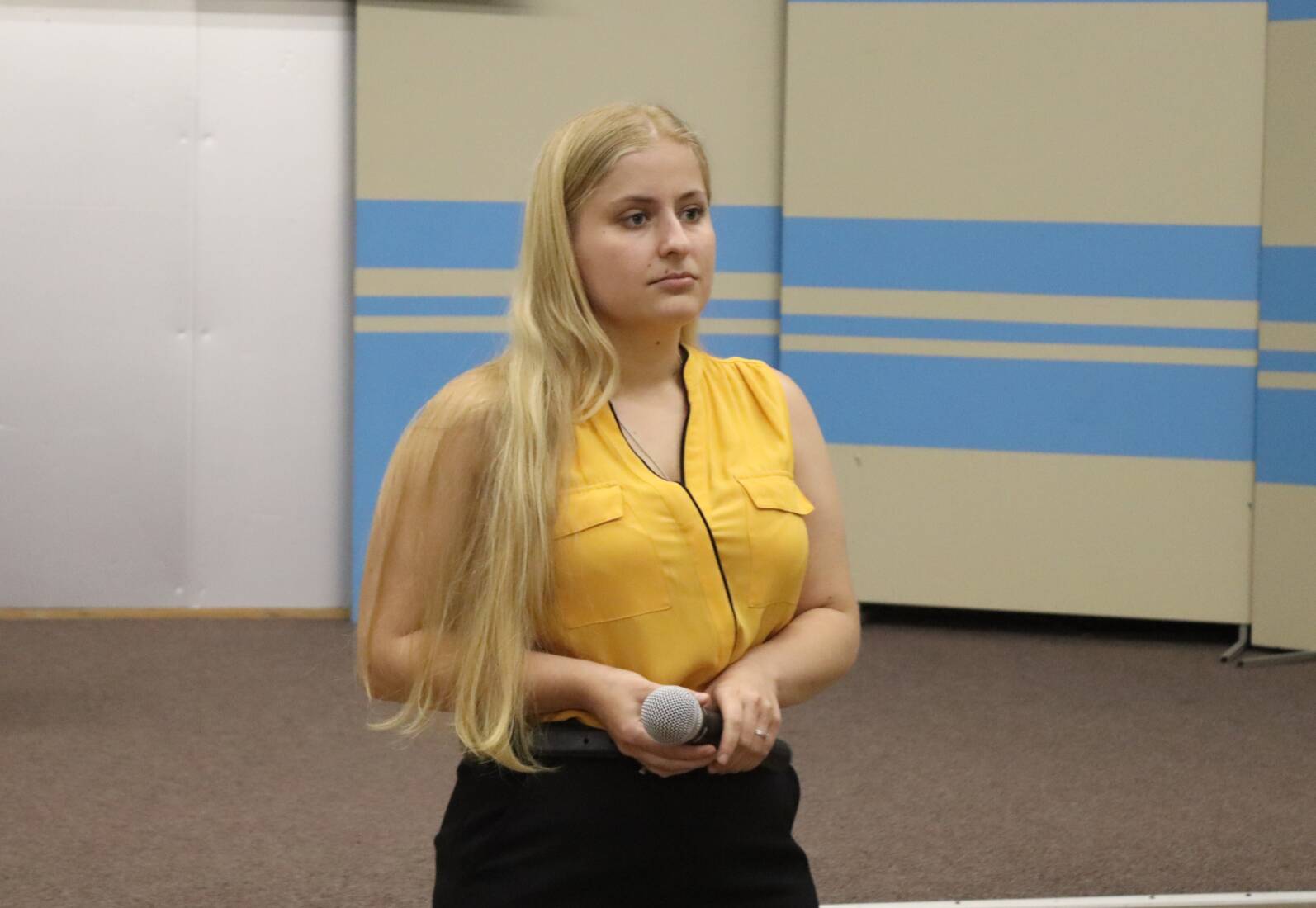
Iryna Shender, a lecturer at the Department of Mechanical Engineering, became the leader of a youth project for the first time this year. She emphasised the importance of motivating the team not only with opportunities for scientific development, but also with the prospect of receiving state scholarships from the Cabinet of Ministers of Ukraine, the President of Ukraine and others.
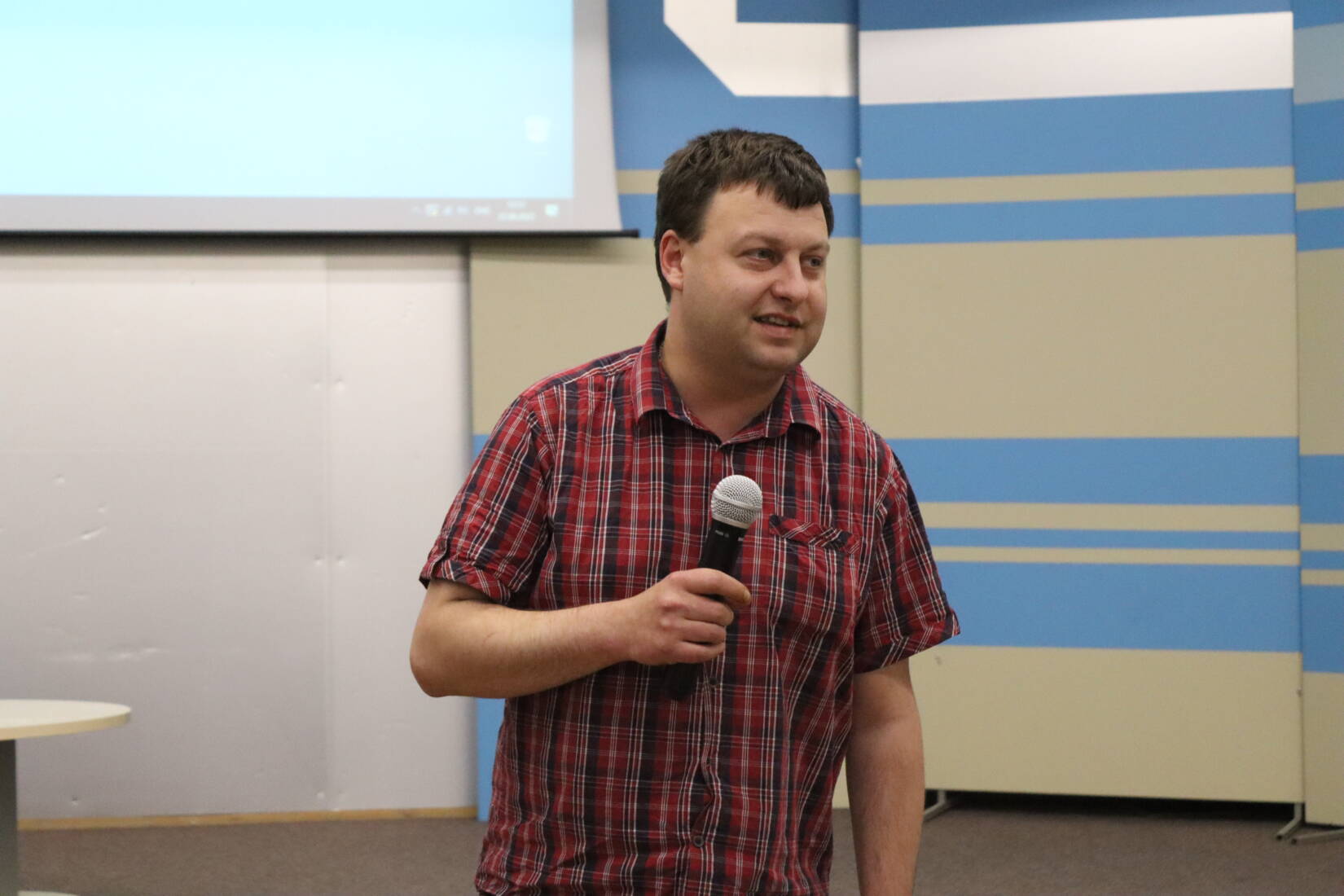
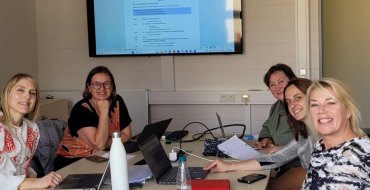
Artem Pohodin, associate professor at the Department of Inorganic Chemistry, stressed the importance of rereading the terms and conditions of the competition, as they may change slightly each time. He warned against making unrealistic promises in the application regarding the number of publications, patents or participation in monographs, as this could significantly lower the score. It is also important to remember the restrictions on the purchase of equipment — it cannot cost more than 20,000 hryvnias. The participants of the master class also completed a practical exercise under the guidance of Oleksandra Pallah. Divided into three teams, they developed topics for their projects, appointed a leader and executors, and drew up a preliminary work plan. Thanks to the presence of representatives from various fields of knowledge, all projects were interdisciplinary.
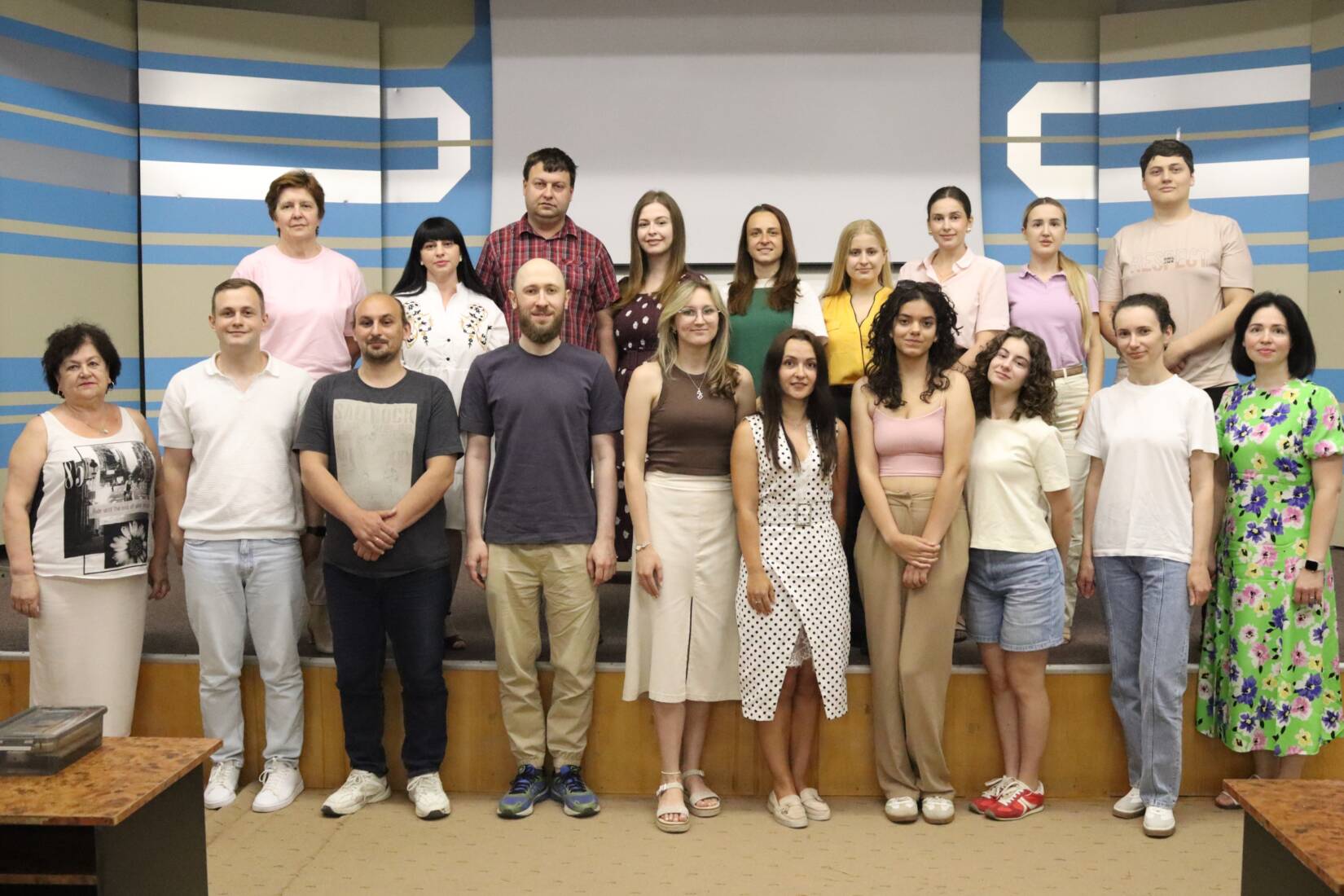
Kateryna Skubenych encouraged the participants of the master class to think about topics for their projects, as the new Young Scientists Competition will be announced in early autumn. All speakers agreed to mentor those who decide to apply, and the Research Department is always open to help. The organisers plan to devote the next meetings to writing international research projects.