Under the same sky

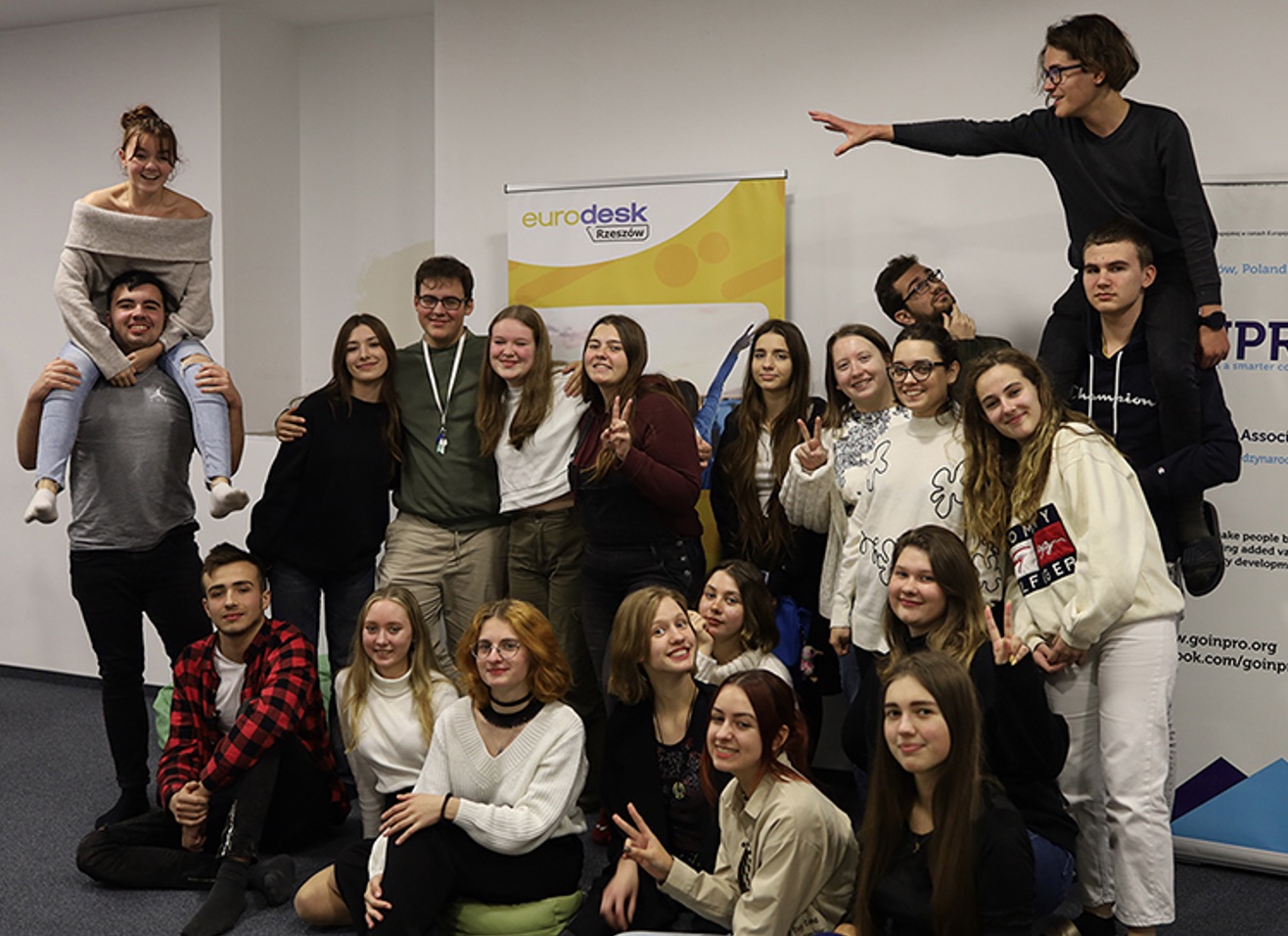
"Under the same sky" is an interactive youth programme aimed at developing language and intercultural skills. It was held from 6 to 12 November 2022 in Rzeszów (Poland) and was joined by students of the Faculty of History and International Relations of UzhNU. They were joined by representatives of Hungary and Poland. The peculiarity of the programme is that it is based on informal methods, consisting of social games, team building, workshops and cultural visits.
Students exchanged knowledge about their own cultural practices while having a lot of fun and gaining useful experience. The project became possible thanks to the partnership between UzhNU and INPRO (Poland) and funding from the Erasmus Plus programme. The peculiarity of this event is that it is not a one-time event - such events are designed to be repeated several times a year. To participate in this programme, you need to have a good command of spoken English and be open to communication and exchange of ideas. But the best way to learn about the project is to read the impressions of the participants themselves and take photos.
Yulia Zubova. It was really a great opportunity that gave us new friends. We performed interesting tasks related to our place of residence and got to know other participants. Hungarians and Poles participated in the exchange with us. We were able to overcome the language barrier between English and Polish by doing activities and communicating outside of games.
On the first day, we had a tour of Rzeszow. The city is striking in its beauty, especially the old part. There we could see two mosques, a Catholic cathedral, a castle and many other interesting places. It helped us a lot to find our way around the city later.

I was able to meet and make friends with some Polish people. They were all not locals, but came to Rzeszow every day for our activities. And they are all schoolgirls, mostly 16-17 years old. But the age difference did not prevent us from finding a common language. We were able to exchange information about our countries, touch upon topical issues, and understand the differences in cultural, social and material development of the countries. In general, all participants of the event were open to communication. The most emotional moment with them was the exchange of gifts on the last day of the programme - it was extremely sweet.

Katia Voropaieva. On the second day, we were "building" a map of our countries and everyone told about their city. It was interesting to hear about the culture and way of life in their country. Everyone really liked our Uzhhorod sakura tree. We also talked about the cultural characteristics and superstitions of different countries. Some of the signs were strange to us, although ours were also incomprehensible to Hungarians and Poles. On the second day, we talked to each other more, and in addition to the programme lessons, we started talking to each other about everything. Also, as part of the programme, we did mini-performances on how to properly resolve conflict situations. It was very useful and fun!

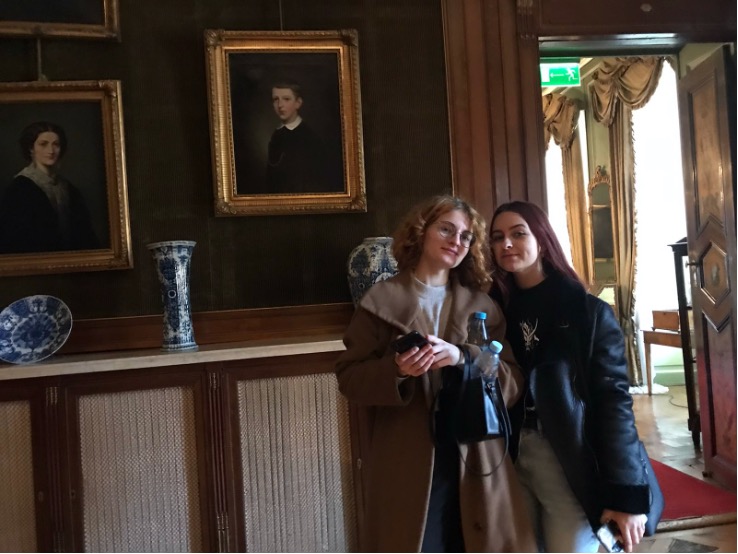
Ivanka Babynets. On the first day, on Monday, we had a city tour in Rzeszów, and on Wednesday, we went to Łańcut, and this, in my opinion, was the most interesting part of the programme. The architecture, mystery and calmness of the streets was impressive, accompanied by a short excursion into history. On Monday, I was most impressed by the personal communication between the groups of different countries, where several questions were put up for discussion. Then I found out about the favourite band of one girl from Poland, Julia, and it turned out that we prefer the same genres of music and Turkish TV series. I was even more surprised when a guy from Hungary enthusiastically told me about our Mukachevo castle and friends from Zakarpattia, and as I understood it, he was watching President Zelensky's video address.
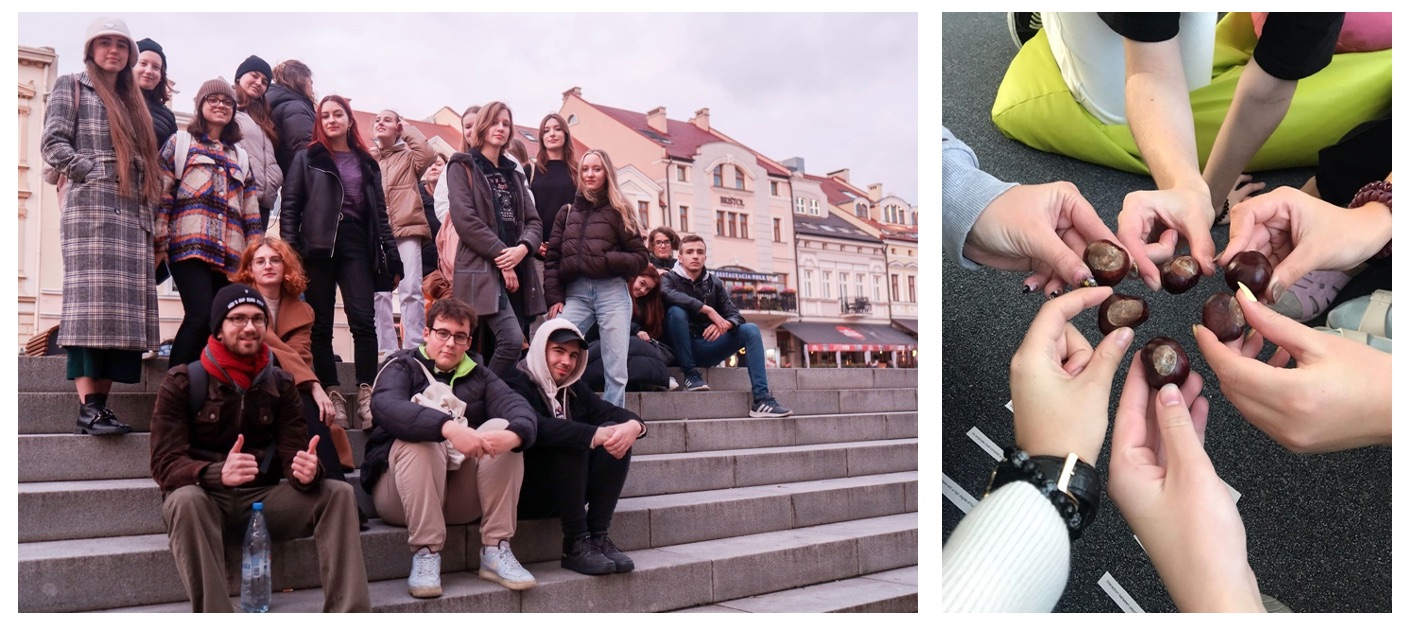
Tuesday was especially eventful, when the participants were arranged by numbering and a race for the triumphant flag was arranged. On Thursday, we had an interesting game with stereotypes in countries, where participants agreed or refuted the statements. On Friday, we chose a story about our emotional state before and after the trip, which was an epic ending to the trip. It is also worth noting that at the end of each day we were asked about our impressions of the project. The food was of a high standard.

In general, all participants were very pleased with the living conditions and everyday life, and above all with new acquaintances. Despite the war, the programme will continue, so every student has the opportunity to join future trips and experiences.
According to the participants of the trip, Yulia Zubova, Kateryna Voropaieva, Yulia Tsoklan, Ivanna Babynets and Pavlo Lenio, Associate Professor of the AEC Department.