Education for the Future: Professions Shaping Tomorrow — Medical Faculty No. 2

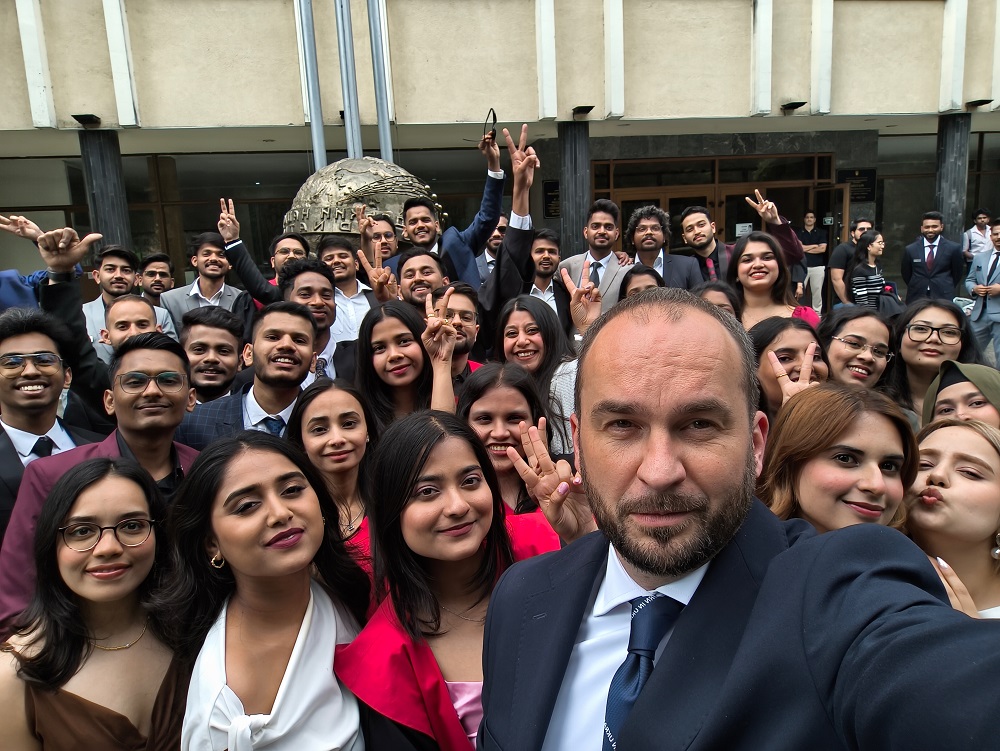
Quality medical education knows no borders. Every year, Medical Faculty No. 2 at Uzhhorod National University is chosen by students from around the world, as well as Ukrainian applicants seeking to gain in-depth knowledge, practical skills, and a European-style diploma. As the admissions campaign approaches, we continue to introduce prospective students to the university’s educational opportunities. This time, Vasyl Kalii, Dean of Medical Faculty No. 2, discusses the specifics of studying for international students, the advantages of our educational programs, practical training, and career prospects in the medical field.
—What majors does Medical Faculty No. 2 currently offer?
— Our faculty traditionally offers training for higher education students in the “General Medicine” educational and professional program at the second (master’s) level in specialty 222 “Medicine,” with instruction in English. And I would like to note that Medical Faculty No. 2 is not a division exclusively for foreign citizens; domestic students can also study here. This is especially relevant for those young people who are considering future employment abroad. Since studying in English significantly expands opportunities and simplifies adaptation to the professional environment of any country in the world. And today we already have such successful experience.
—Why, in your opinion, does the medical profession remain in demand today? What specialists does the healthcare system need most?
—The medical profession isn’t just in demand—its importance in the modern world is only growing, because the world is currently experiencing a massive staffing crisis in medicine, which the World Health Organization (WHO) estimates will result in a global shortage of 11 million healthcare workers by 2030.
Despite the rapid development of technology and artificial intelligence, this is one of the few fields where the human factor is absolutely irreplaceable.
Among the main reasons for this demand, I would highlight several: demographic changes and an aging population, which automatically increase the demand for medical care, as well as rising stress levels and new diseases that emerge alongside the development of civilization. In addition, we must understand that modern medicine is becoming highly technological and, therefore, constantly requires new specialists who can effectively work with new technologies and interact with AI, thereby contributing to the digital transformation of the industry.
When discussing the need for various medical specialists, it is important to note that, given that Medical Faculty No. 2 has graduates from more than 40 countries worldwide, the healthcare system in each country has its own unique characteristics. This is determined by the standard of living and income levels of the population, the demographic makeup, the level of funding for the sector, the availability of educational institutions, and even the geographical location. Therefore, all specialists are sure to find their place; the main thing is to be a professional in your field.
—What practical opportunities do students have during their studies: clinical practice, work in hospitals, international internships, exchanges?
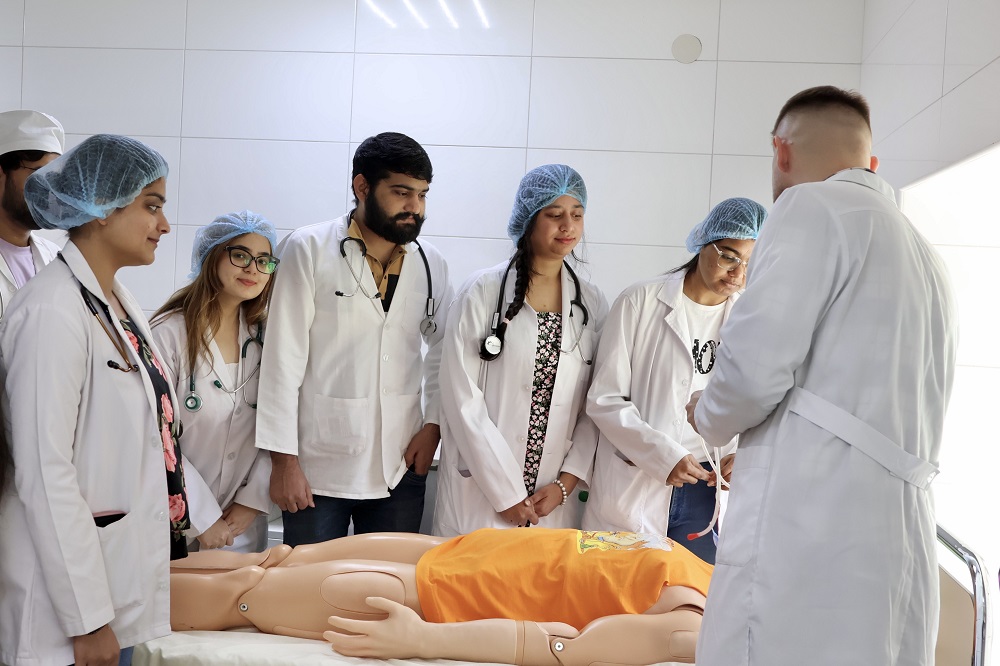
—During their studies, our students have the opportunity to gain knowledge and master the necessary practical skills in almost all public healthcare facilities in Uzhhorod and in a number of private clinics in the city. In addition, practical training is conducted in the Educational Simulation Laboratory for Medical Training and in simulation classrooms at our Department of Family Medicine and Outpatient Care, which are equipped with modern electronic simulation manikins.
Furthermore, our students, like all other students at the university, participate in various international programs that allow them to both gain firsthand experience with the achievements of foreign clinics and exchange scientific findings.
—What career opportunities are available to graduates today? Where are young medical professionals most in demand today?
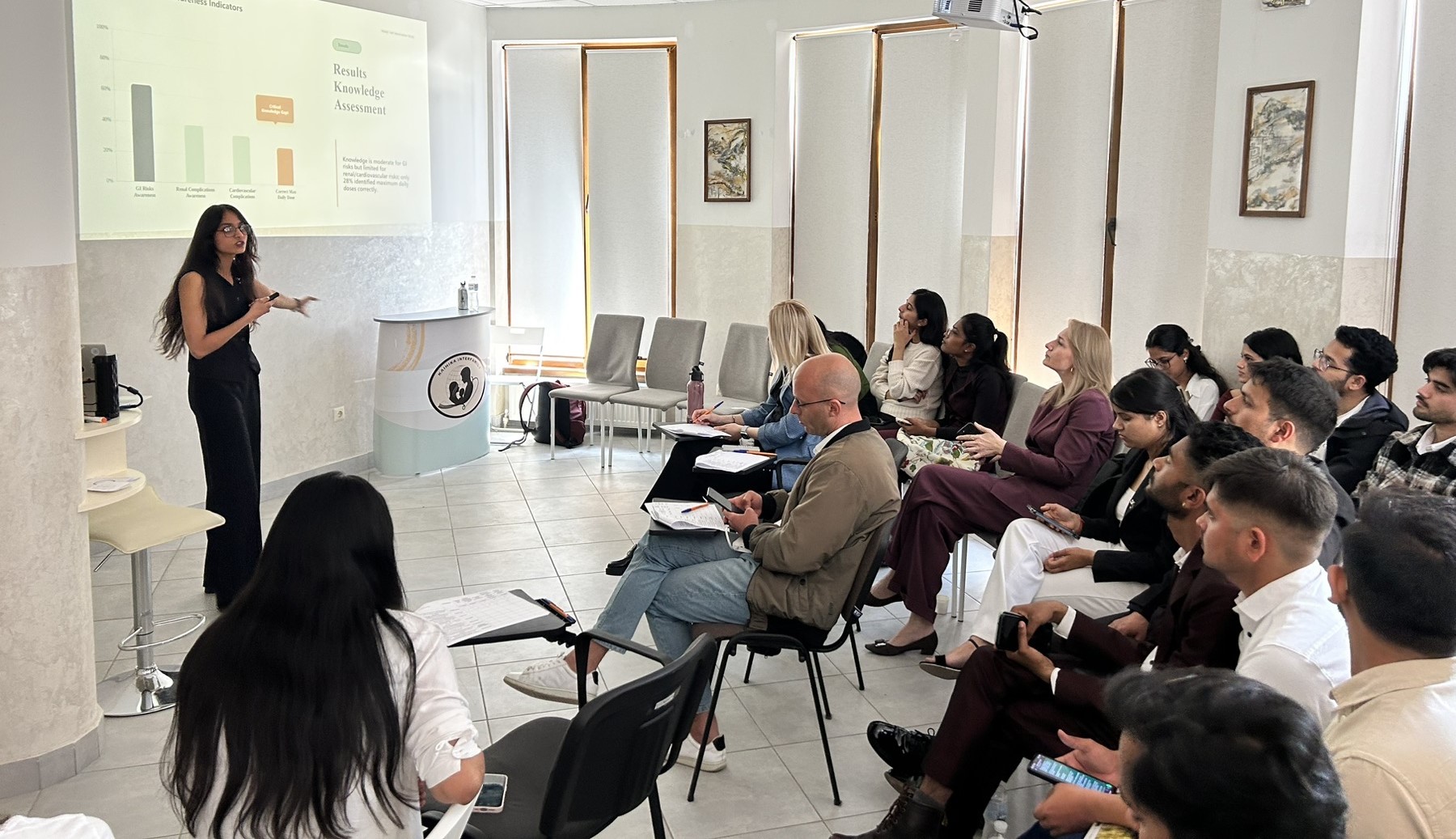
—Today, a much wider range of opportunities is available to medical establishments graduates than it was 10–15 years ago. In addition to traditional clinical practice, globalization, the aging global population, and technological advancements have created entirely new paths for building a successful career, allowing one to move somewhat away from the traditional, in-demand surgical specialties. I am referring, for example, to digital and telemedicine, which allows doctors to consult with patients from anywhere in the world. Young medical professionals are increasingly being integrated into IT projects as clinical experts to develop medical software, AI diagnostics, and mobile health monitoring apps.
In addition, there is constant active work in the pharmaceutical sector, where large-scale research is being conducted, and international pharmaceutical and biotechnology giants are actively hiring medical school graduates as clinical researchers and medical advisors.
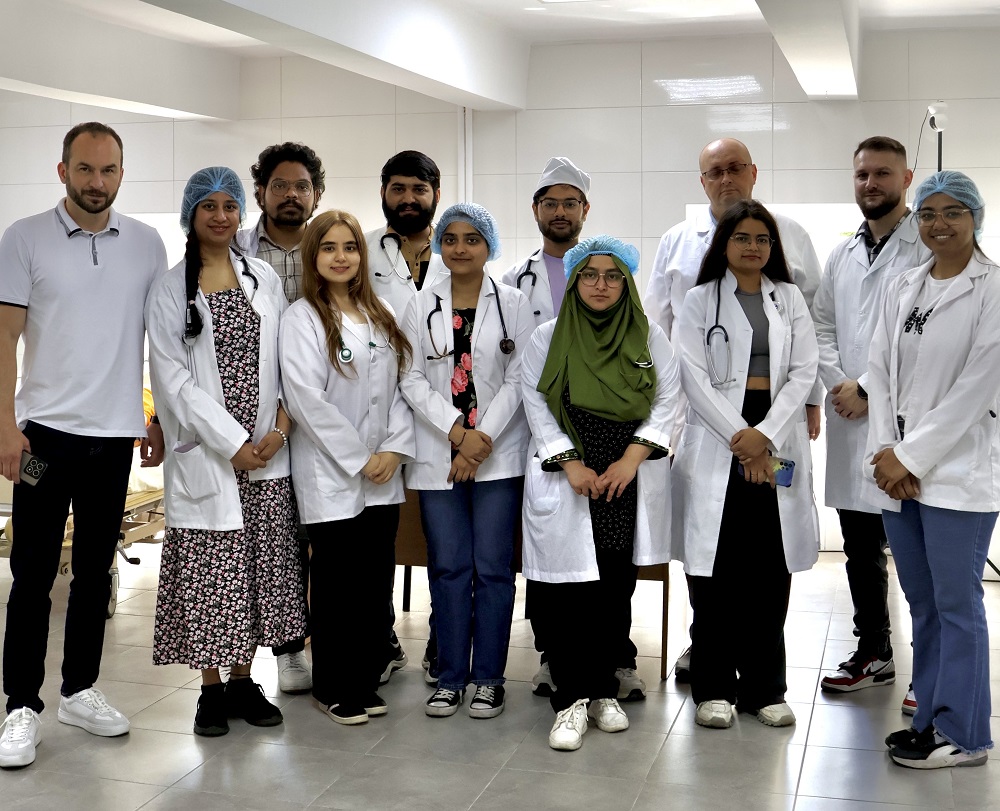
We must also remember that new challenges require new approaches to healthcare management and consulting. Private clinical networks, insurance companies, and international organizations need professionals with medical training to optimize management, develop screening programs, and reform healthcare systems, which also positively impacts employment prospects.
In any case, if a young person truly wants to become a doctor and makes every effort to become a true professional in their field, I am confident that there will be countless opportunities for successful self-realization that benefit society.