On Europe Day: about future linguists, economists and diplomats
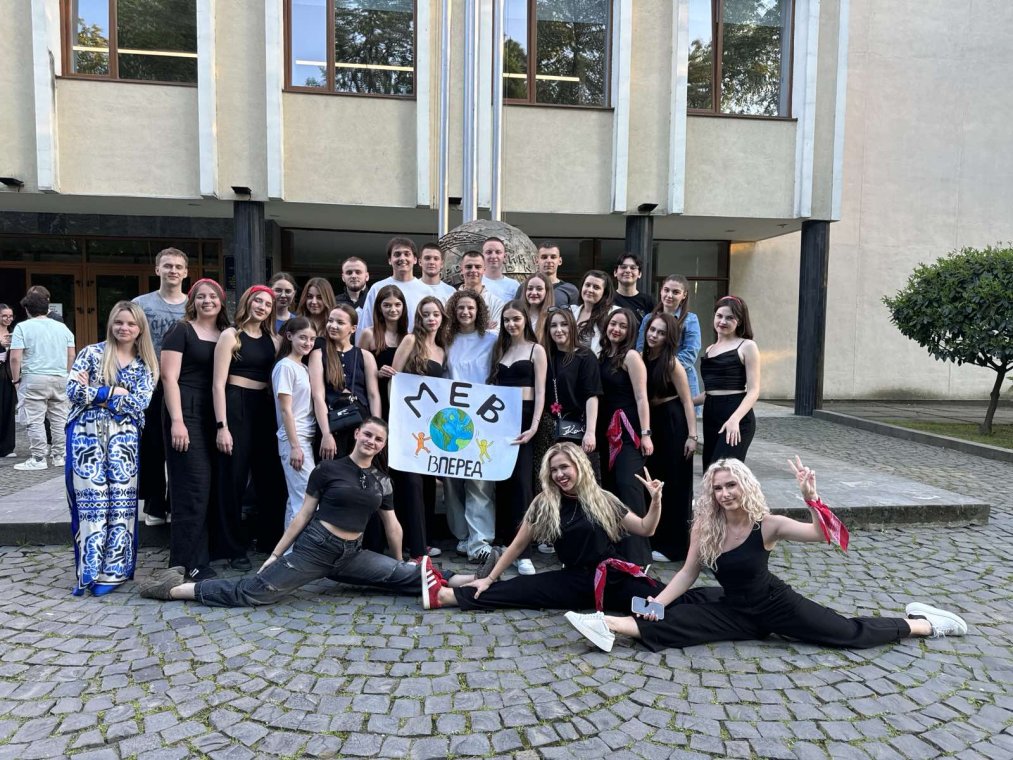
On 9 May, Ukraine celebrates Europe Day, which is a symbol of the desire for unity with the European community. In the context of our country's active movement towards European integration, there is a growing demand for specialists in international relations, diplomacy and economics. Specialists with knowledge of several foreign languages are also in great demand.
It is worth noting that globalisation, which Ukraine is striving for, requires a professional ability to work effectively at the international level, solve economic issues and represent the country's interests abroad. Specialists in international relations and economics (especially those with language skills) are focused on establishing effective links between countries, which is crucial for strengthening Ukraine's position on the global stage.
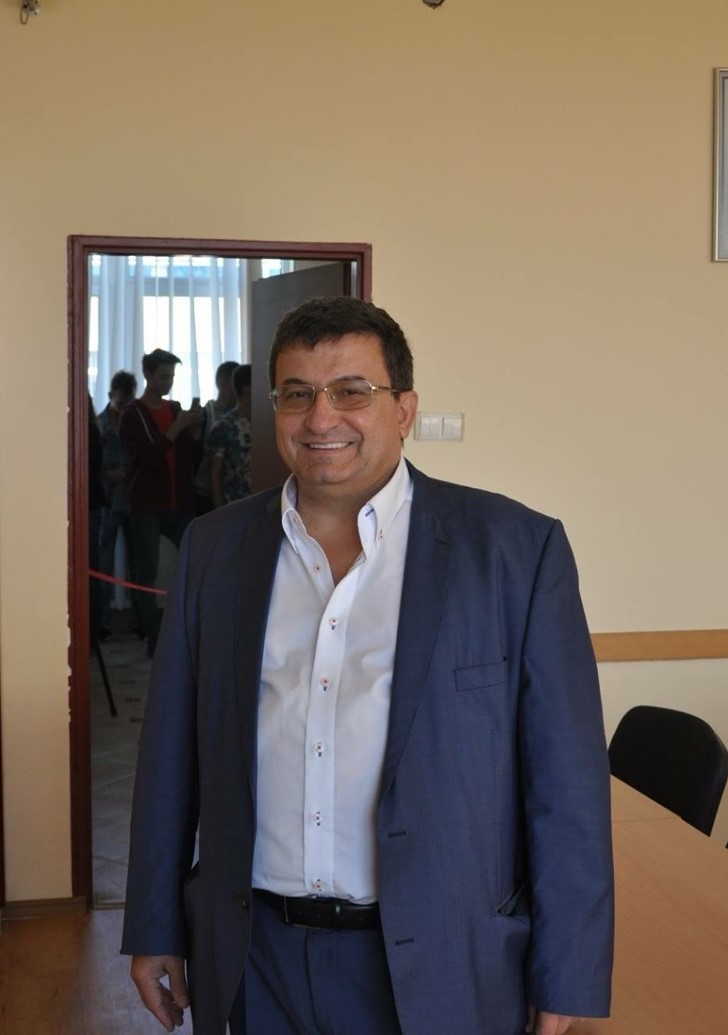
Mykola Palinchak, Dean of the Faculty of International Economic Relations, spoke about the training of highly qualified personnel in these fields.
- Mykola Palinchak, what specialities are represented at the faculty?
- At the Faculty of International Economic Relations, applicants have the opportunity to enrol in educational and professional programmes: Applied Linguistics, International Economic Relations, Economic Diplomacy, Digital Technologies in International Business (Bachelor's degree); Applied Linguistics, International Economic Relations (Master's degree).
- Why are the above majors relevant in 2025?
- Our faculty offers a number of specialities that have been and remain relevant in the modern world. We sincerely believe that peace will soon prevail in Ukraine and our community will be able to return to full life and begin rebuilding the state.
In the post-war period, experts in economics, international relations, applied linguistics, and those who combine language competencies with information technology will play an important role. Their knowledge will help ensure the stability of the country's domestic and foreign policy, which is the basis for its security and development.
- Please tell us about the novelties of this year's admission campaign at your faculty.
- Regarding the admission requirements, it is worth paying attention to the changes in the passing scores for some specialities. This year, for the International Economic Relations study programme, you need to reach the mark of 100 points (it used to be 150). For the specialisations of Economic Diplomacy and Applied Linguistics, the passing score remains at 100.
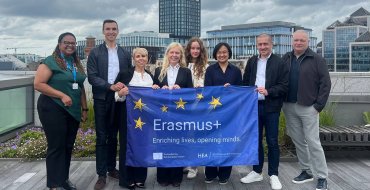
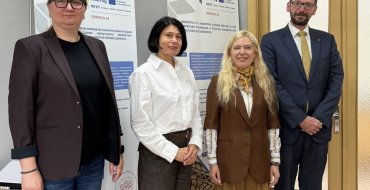
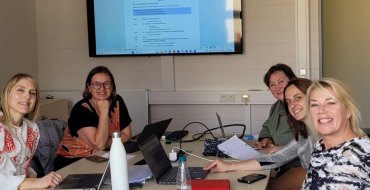
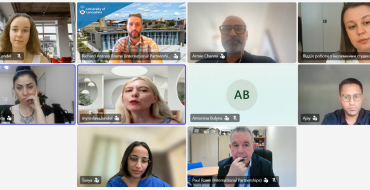
I would like to note positive trends in the educational process. This year, the emphasis was placed on the development of international activities. In particular, an agreement was signed with a university in Portugal, under which teachers and students will participate in the Erasmus+ programme.
In addition, the IPES joined the Jean Monnet project, which has been implemented for three years in cooperation with the universities of Bucharest and Chisinau. The topic is ‘Romania's experience on the way to the EU’.
Cooperation with the Bratislava University of Economics, the Faculty of International Relations of the University of Oradea (Romania), and the University of Presov (Slovakia) continues.
Working within the Erasmus+ programme provides higher education students and teachers with unique opportunities for academic mobility, exchange of experience, and helps to improve the level of professional training.

- What employment opportunities are available to graduates?
- Specialists with a diploma in International Economic Relations will be able to work in government agencies and private enterprises as economists, analysts, foreign trade specialists, logisticians, or even diplomatic representatives.
Economic diplomacy opens the way to a career in the Ministry of Foreign Affairs, embassies, international organisations and business. In addition, you can get a position as a diplomat, international project coordinator, international journalist, or even an analyst.
Graduates of the Digital Technologies in International Business programme have the opportunity to work in IT companies, start-ups, international organisations, government agencies, and the business sector. There are also vacancies for economists, analysts, international trade and foreign economic activity managers, as well as project management and information technology specialists.
Applied linguistics allows you to fulfil yourself in translation, copywriting, IT, media, and SMM. There are options available for both office work and freelance work - translator, content manager, SMM specialist, and editor.
A master's degree in higher education provides an opportunity to be employed as a teacher in a higher education institution.
The faculty actively cooperates with enterprises, in particular with firms with foreign capital. Students undergo internships at Jabil, Yazaki and Flextronics. During the internship, future specialists receive a number of offers for further employment.
In addition, the bases for mastering practical skills are reputable institutions both in Ukraine and abroad. For example, preparations for internships at the Hungarian Embassy and the international department of the Polish company Brokelmann are underway.
The Faculty of International Economic Relations creates all conditions for professional growth, practical training and further employment of its graduates.